











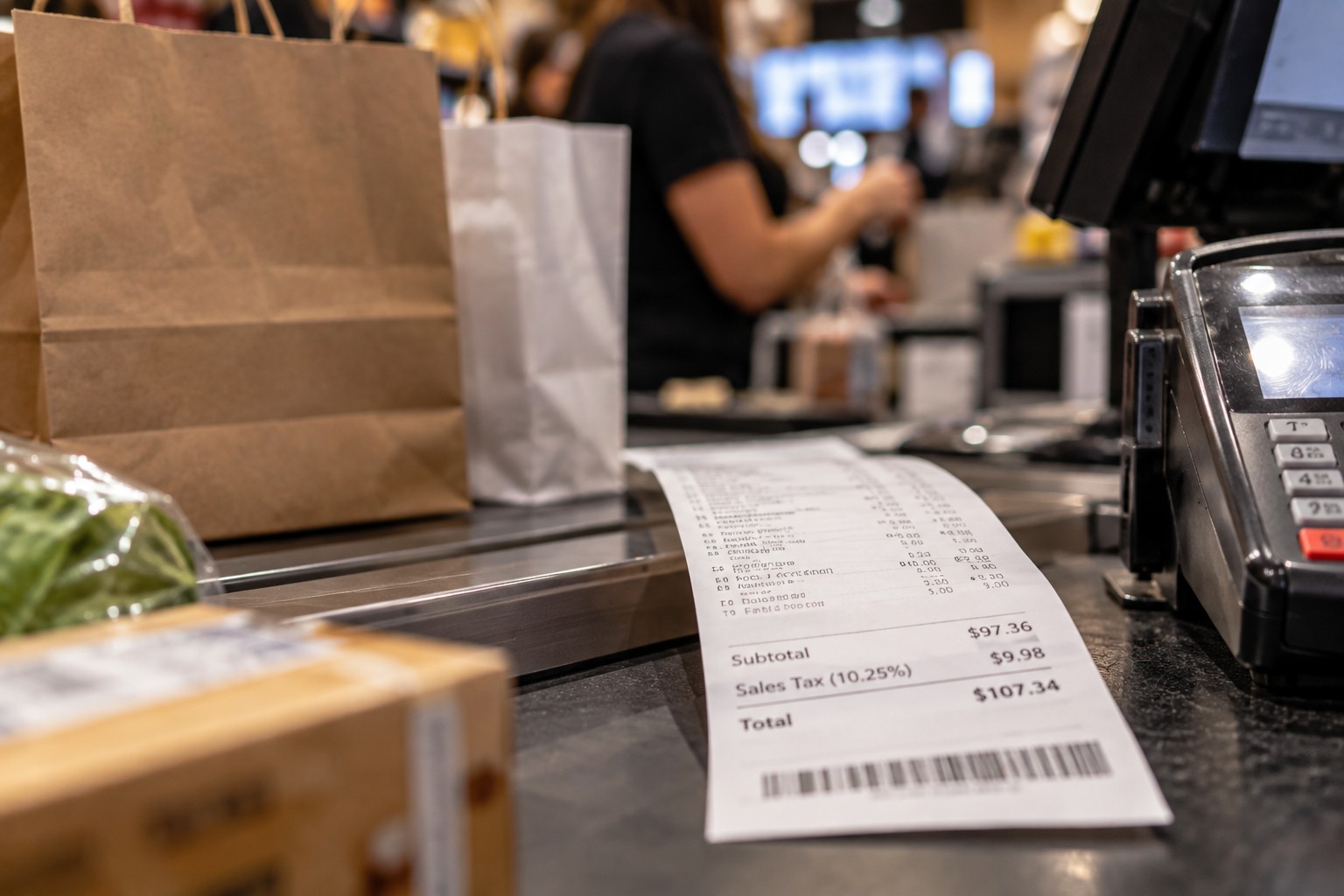
LOS ANGELES, CA – Shoppers across Los Angeles County will pay more on taxable purchases starting Thursday, Oct. 1, when the countywide sales tax rate increases from 9.75% to 10.25% under voter-approved Measure ER.
The increase adds 0.5 percentage points to the countywide rate and is scheduled to remain in place for five years. The measure was approved by Los Angeles County voters during the June 2 primary election, with 50.64% voting yes and 49.36% voting no, according to the Los Angeles County election results.
The measure, formally called the Essential Services Restoration Act for Los Angeles County General Sales Tax Measure, was approved as a general sales tax rather than a tax dedicated exclusively to one program.
According to the official ballot language, the measure was intended to help the county respond to federal funding cuts, reduce the loss of essential services and reduce the risk of closures involving county hospitals and clinics. The measure calls for a 0.5% tax for five years and was projected to generate approximately $1 billion annually.
What the increase means at checkout
The new countywide rate means a shopper making a $100 taxable purchase will pay 50 cents more in sales tax than under the previous 9.75% rate.
For a $500 taxable purchase, the additional county tax would be $2.50. A $1,000 taxable purchase would carry an additional $5 in county sales tax.
The actual rate paid by consumers can be higher than 10.25%, however, because cities and local tax districts can impose additional sales taxes.
The California Department of Tax and Fee Administration lists the rates that became effective Oct. 1, 2026, and allows consumers to check the applicable rate by location.
That means two shoppers buying the same taxable item in different parts of Los Angeles County could pay different total sales tax amounts depending on where the purchase occurs.
Some LA County cities reach 11% or higher
Several Los Angeles County cities now have combined sales tax rates of 11% or more.
The official state rate table lists Alhambra, Arcadia and Artesia at 11%, while other communities have rates above that level.
Santa Monica, for example, has a combined rate of 11.25%, according to the CDTFA’s October 2026 rate table.
The state agency also lists Avalon at 10.75% and Agoura Hills at 10.25%, illustrating how rates can vary considerably between communities even within the same county.
Consumers who want to determine the exact rate at a particular store can use the state’s address-based sales tax lookup through the California Department of Tax and Fee Administration.
Where the Measure ER money is supposed to go
Although Measure ER is a general tax, Los Angeles County has outlined a spending plan focused heavily on healthcare and public services.
The county has said the money is intended to help support healthcare services and safety-net providers, county hospitals and clinics, and public health programs.
The measure was proposed against the backdrop of expected reductions in federal funding, with county officials warning that those cuts could put additional pressure on the local healthcare system.
The official election language specifically cited the risk of losing essential healthcare services, including the possibility of hospital and clinic closures, as part of the argument for the tax.
Because Measure ER is a general tax, the revenue enters the county’s general fund rather than being legally restricted to a single purpose.
Some purchases are exempt
The increase does not apply to every item consumers purchase.
Groceries and prescription medications are among the items identified as exempt, along with certain medical equipment.
That distinction is important for household budgets because the effect of the increase will depend on how much of a family’s spending goes toward taxable goods and services.
A household that spends heavily on taxable retail purchases will see a larger direct impact than one whose spending is concentrated on exempt necessities.
The increase comes during broader cost pressures
The new sales tax arrives as consumers across Southern California continue to deal with higher costs in several areas of their budgets.
Gasoline is one of the most visible examples.
The AAA fuel price tracker showed California’s average regular gasoline price at more than $6 per gallon in early October, while the national average remained considerably lower.
The U.S. Energy Information Administration also tracks California gasoline prices, providing a broader view of how fuel costs have changed over time.
Housing remains another major source of financial pressure for California households, particularly in the Los Angeles region, where high housing costs can consume a significant portion of household income.
The combination of housing, transportation and everyday consumer expenses means the sales tax increase is arriving at a time when many residents are already paying close attention to the cost of routine purchases.
Measure ER will last five years
The sales tax increase is temporary under the measure approved by voters.
The 0.5% county tax is scheduled to remain in effect for five years, meaning consumers will continue paying the additional tax during that period unless the measure is changed or otherwise affected by subsequent legal or governmental action.
For shoppers, the immediate change is simple: taxable purchases made beginning Oct. 1 are subject to the new 10.25% countywide rate, while purchases in cities with additional local taxes can carry an even higher combined rate.
The Los Angeles County Registrar-Recorder/County Clerk recorded the measure’s approval in June, while the California Department of Tax and Fee Administration has published the new rates that took effect Oct. 1.
The increase will therefore become part of the price consumers see at checkout throughout the county, with the precise amount depending on the taxable purchase and the location where it is made.