









LOS ANGELES, CA — Hundreds of people gathered along Cesar E. Chavez Avenue in East Los Angeles on Sunday for the 80th annual East LA Mexican Independence Day Parade and Festival, bringing families, performers and community members together for a celebration of Mexican heritage and culture.
The milestone event continued a tradition that dates back to 1946, when the parade was first held in East Los Angeles. Organizers describe it as one of the longest-running Mexican Independence Day parades of its kind, with generations of residents returning each year to participate or watch from the streets.
The Los Angeles Department of Cultural Affairs listed the 2026 celebration as a free community event running along Cesar Chavez Boulevard, with the parade beginning at 10 a.m. and the festival continuing afterward.
A tradition spanning eight decades
The 80th anniversary gave this year’s celebration particular significance for families who have attended the parade for years.
The Comité Mexicano Cívico Patriótico says the parade has been held in East Los Angeles and surrounding communities for 80 years, featuring school bands, equestrian units, folkloric groups, floats and community dignitaries.
The organization itself dates to 1931 and says its mission is to preserve Mexican history, culture, traditions and civic celebrations in Los Angeles while strengthening cultural identity and pride among Mexican and Mexican-American communities.
For many people along the parade route, the event was therefore about more than a single Sunday celebration. It offered an opportunity for different generations to share traditions that have remained part of East Los Angeles’ cultural identity for decades.
Music, dancers and colorful floats fill Cesar Chavez Avenue
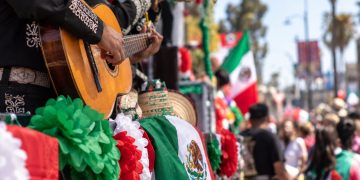
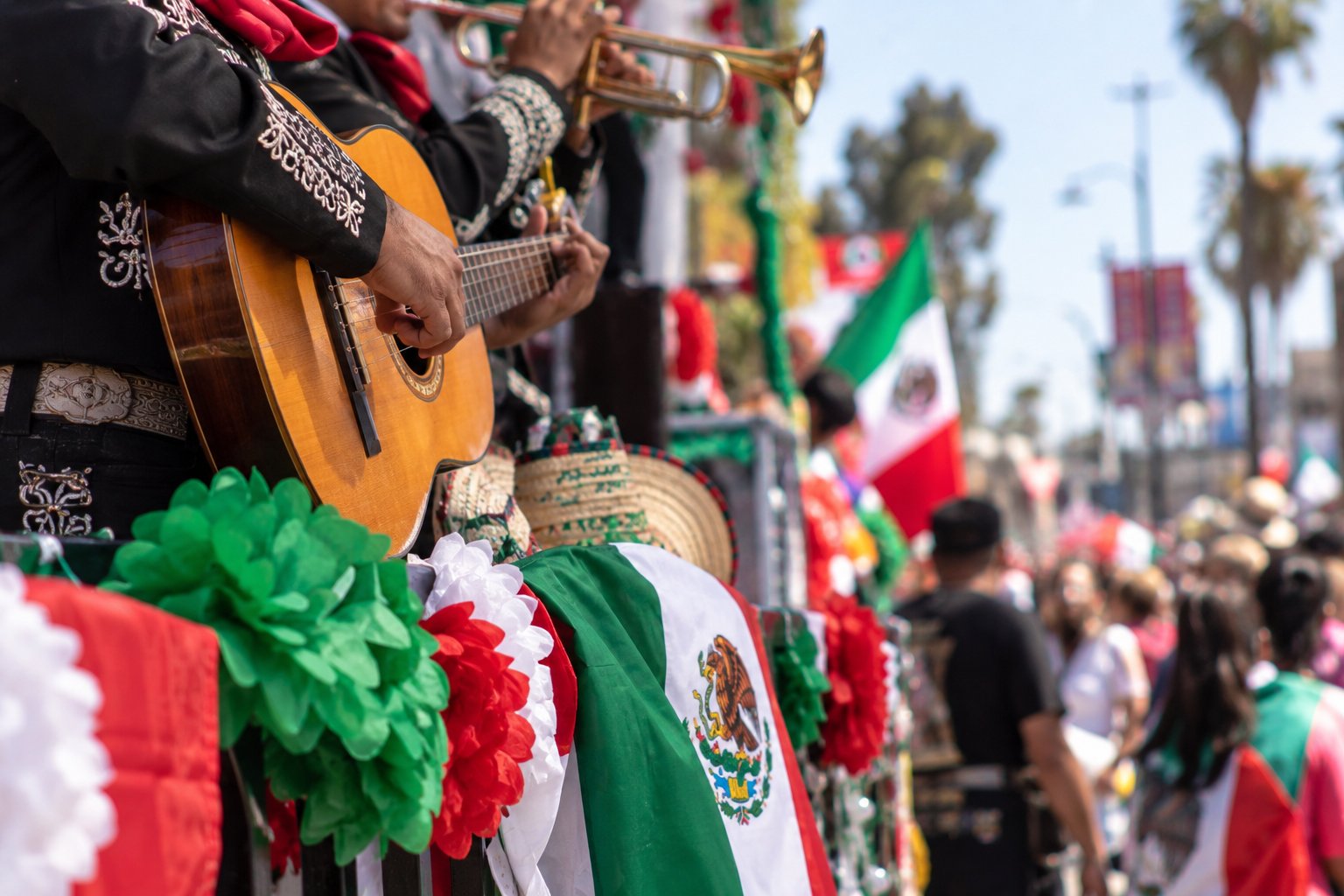
Spectators lined Cesar Chavez Avenue as the parade moved through the community, with mariachi musicians, dancers and colorful floats forming the center of the celebration.
The official parade organizers said the event brings together Mexican federations representing different states of Mexico, with elaborate floats, costumes and live music reflecting regional traditions.
The city’s cultural affairs calendar similarly describes the parade as a celebration of Mexico’s independence and culture featuring traditional performances, live music, food and family activities.
For younger attendees, the celebration also offered an opportunity to experience Mexican traditions in a setting where family and community were central to the day.
One young attendee described being particularly excited by the opening portion of the parade and the dancing horses.
Longtime attendees also spoke about returning year after year with relatives and seeing the different cultural traditions represented throughout the celebration.
Family and community remain at the center
The parade’s appeal extends beyond the performances themselves.
People who attended described the annual gathering as a chance to spend time with family while seeing different aspects of Mexican culture represented along the route.
One longtime East Los Angeles attendee said her family had attended since she was young, describing the experience as an opportunity to be together while seeing the cultures and traditions represented from different parts of Mexico.
That generational connection is also part of the event’s identity. The official East LA Parade & Festival website describes the celebration as an event that has brought generations together since 1946, giving families, community organizations, performers and businesses a place to celebrate East Los Angeles and its cultural traditions.
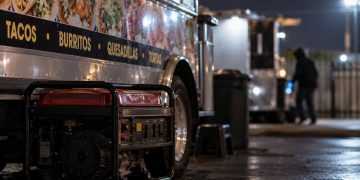
The festival following the parade expanded that community atmosphere with food, music, vendors and traditional entertainment.
Festival continues the celebration
After the parade, the celebration continued with a festival featuring Mexican food, live music, traditional performances and family-oriented activities.
The 2026 event was scheduled to continue into the afternoon, with the official city calendar listing the overall event from 10 a.m. to 5 p.m. The festival portion followed the parade and was centered around the Mednik Avenue area.
The event organizers also provided information for visitors traveling to the celebration, including access through the East LA Civic Center station and designated parking near the festival area.
The celebration also brought local businesses, community organizations and performers into the event, reinforcing the parade’s role as both a cultural gathering and a neighborhood tradition.
For some participants, taking part in the parade was another way to contribute to the community. One attendee described joining because of a friend involved with a float and said helping move musicians and participate in the festivities was a way to give back.
Eight decades of Mexican heritage in East Los Angeles
The 80th anniversary arrives at a time when the parade remains closely connected to the identity of East Los Angeles.
The Comité Mexicano Cívico Patriótico says its long-term goal is to preserve Mexican traditions and history while passing them to future generations through civic events, cultural programs and educational activities.
That mission was visible throughout Sunday’s celebration, where children, parents, longtime residents and visitors shared the same parade route.
From mariachi music and folkloric dancing to floats representing Mexican states and families gathering along Cesar Chavez Avenue, the event brought together elements of Mexican heritage with the contemporary community of East Los Angeles.
After 80 years, the parade continues to serve as a yearly meeting point for people who see the celebration as both a cultural tradition and a way to remain connected to family, community and history.