







LOS ANGELES, CA – The Los Angeles Department of Water and Power Board of Commissioners on Tuesday directed the utility to suspend residential water and electricity disconnections for non-payment through the end of 2026 but did not approve a new, fully independent audit of its rates, according to the Los Angeles Department of Water and Power.
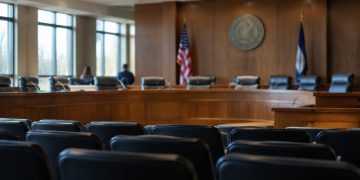
The board adopted the resolution Tuesday, Oct. 27, at the end of a nearly four-hour meeting at LADWP’s downtown Los Angeles headquarters, LADWP said in a news release. The resolution directs the utility to take immediate steps to help customers manage their bills and reduce electricity and water use.
The action followed Mayor Karen Bass’s Oct. 20 request that the board pause residential disconnections through the end of the year. Many customers attended Tuesday’s meeting and spoke during public comment.
The board did not approve a new independent audit. LADWP said audits are already underway, including an annual financial audit paid for by customers.
Board directs relief steps for customers
The resolution directs LADWP to suspend residential water and electricity disconnections for non-payment through the remainder of 2026. The directive does not limit safety shutoffs.
It also directs the utility to help customers use rebates, discounts and monthly billing options. The board ordered more promotion of efficiency programs and of the Level Pay program, and regular sharing of usage data with customers.
Level Pay averages a customer’s costs over 12 months. Bass’s relief plan encouraged customers to enroll in it and said low-income seniors may qualify for the Lifeline or EZ Save programs.
Review of electric rates ordered
The board directed LADWP to review the electric rate ordinance and develop recommendations on rate factors, levels, tiers and seasonality. The review is to prioritize reliability, affordability, sustainability and equity.
The resolution also directs the utility to examine policy options and alternative rate structures. Those include possible City Charter amendments tied to the limits imposed by Proposition 26.
LADWP has said it is working on rate reform but has given no timeline. Board President Allan Marks committed to rate reform talks with the City Council and the mayor’s office.
How residential electric tiers work
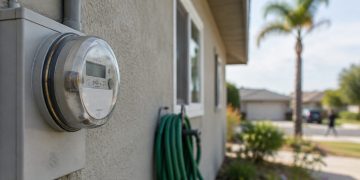
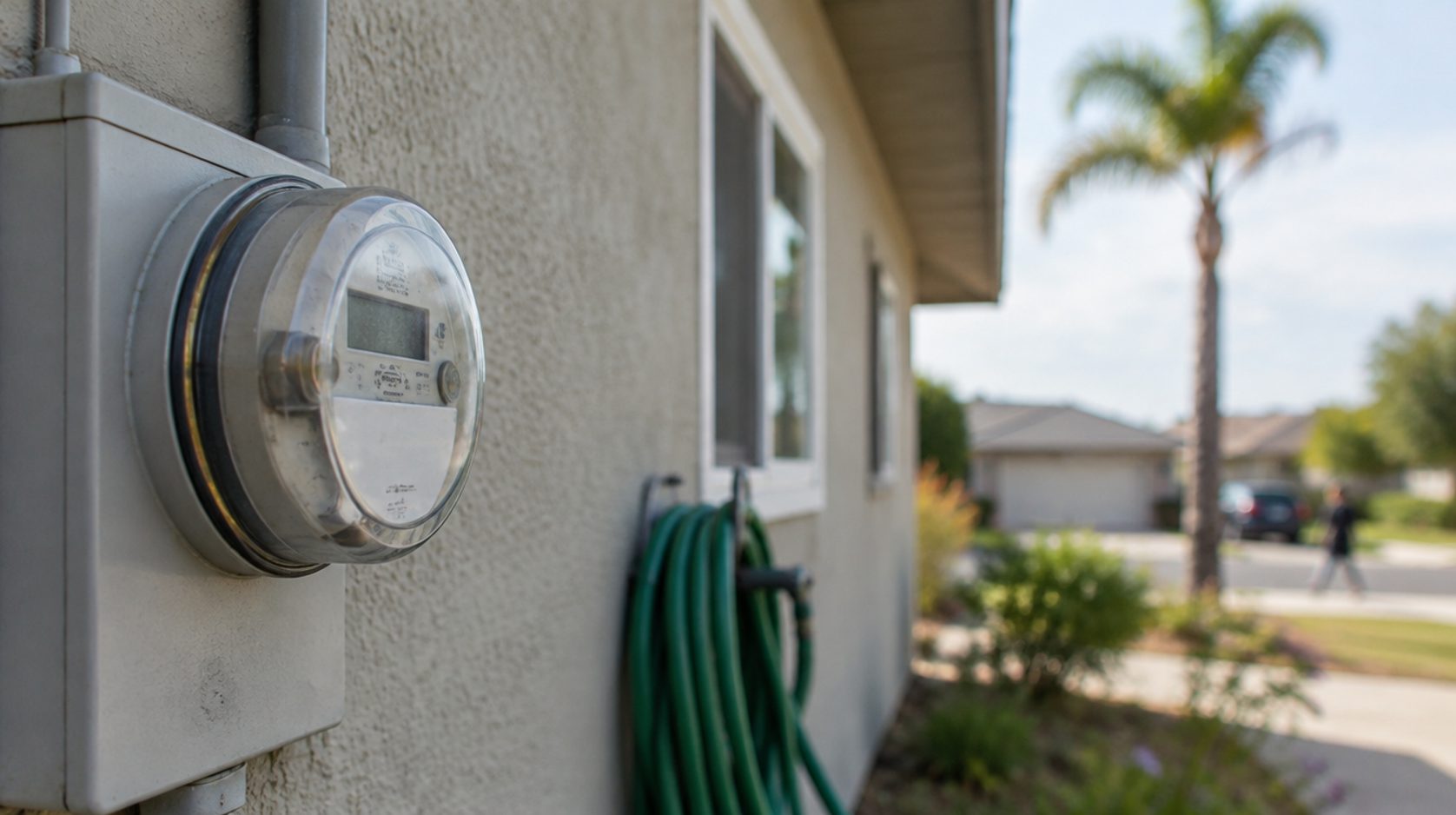
Residential electric rates are built on three tiers, according to LADWP’s residential electric rates page. The page says “Tier 1 is the amount of power needed for services such as basic lighting, heating, and refrigeration.” Tiers 2 and 3 each carry a slightly higher rate.
In Zone 1 on monthly billing, Tier 1 is the first 350 kilowatt-hours, Tier 2 is the next 700 and Tier 3 is anything above 1,050. In Zone 2, Tier 1 is the first 500 kilowatt-hours, Tier 2 is the next 1,000 and Tier 3 is anything above 1,500.
Tier sizes are among the factors the board has now asked the utility to review, along with rate levels and seasonality.
Usage and rates behind higher bills
LADWP’s release said median customer electricity use rose 15% to 20% in the most recent bimonthly billing periods compared with the same summer months in 2025. It said electric rates have risen 7% since last year.
LADWP attributed the higher bills to repeated heat waves and humidity, the 7% electric rate increase and fees from other city agencies. Interim General Manager Dave Hanson said: “It’s not so much the rate as it is the amount of electricity.”
Bass said in a statement Oct. 20 that customers can pay what they can afford now. Her statement said the high bills followed multiple heat waves in Los Angeles and that, beginning the next month, LADWP will give every residential customer information about their electricity and water usage.
Customers remain responsible for the full amounts owed, according to initial reports.
Customers describe bill increases
Speakers at the meeting described sharp increases in their bills. One said her family’s bill rose from about $100 to almost $900, and another presented a petition with nearly 40,000 signatures demanding an audit of the utility, according to initial reports.
A resident with 40 solar panels said her bills were thousands of dollars.
Bass calls for outside audit
Bass also called for an outside, independent audit of LADWP rates, and urged the board to deliver immediate, comprehensive relief on energy bills, according to her office. The audit she called for should explain how rates are calculated, justified and billed, evaluate the cost of service and examine rate design for long-term affordability and protection from billing spikes.
After the board meeting, Bass said: “Angelenos are opening bills they did not expect and cannot afford, and they need relief now.” She also asked for a 25% increase to energy efficiency rebates.
Marks says added audits would be paid by the utility
Marks addressed the cost of further audits at the meeting. “Additional audits, bear in mind, if they’re done at a point where it comes to us, we will have to pay for them,” he said.
Marks also committed to outside audits of the rate structures. LADWP’s position is that audits are already underway and that the annual financial audit is paid for by customers.
Controller’s office reviews rates
City Controller Kenneth Mejia said Oct. 26 that his office has received thousands of requests from frustrated Angelenos about unusually high LADWP bills. He said auditors began reviewing rates in the first week of October and have met with utility leadership.
Mejia said the office is waiting for billing records it requested. He said the Controller’s Office would continue the work itself rather than hire outside consultants.
His office said it has eight staff auditors overseeing more than $46 billion in annual city spending.
Raman and Bass campaigns trade criticism
Councilmember Nithya Raman, who is challenging Bass for mayor, also called for an independent audit of LADWP rate structures and billing. She said that if elected she would conduct a full audit with Mejia covering billing, meter reading, fraud, waste and executive pay.
Raman said bills have risen 40% during Bass’s time in office. That figure is her campaign statement and was not independently established in the information available.
A spokesperson for Raman’s campaign criticized the timing of Bass’s audit call, saying it came in the final week of the campaign. Bass’s campaign responded that Raman voted to raise trash collection fees in 2025.
Rate review and audit work continue
With Tuesday’s resolution, the pause on residential water and electricity disconnections for non-payment is in place through the end of 2026, and safety shutoffs are not limited. The board’s directives on rate review, efficiency programs and usage data are now with LADWP.
The Controller’s Office review of LADWP rates is ongoing as it waits for the billing records it requested. The board has not approved a new, fully independent audit.