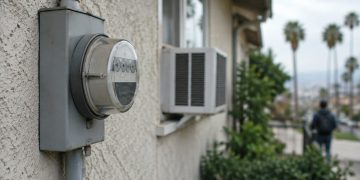


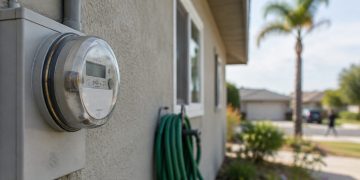





LOS ANGELES, CA – The Los Angeles Department of Water and Power Board of Commissioners approved a resolution Tuesday directing staff to suspend residential disconnections for nonpayment through the end of 2026, as customers across the city report electric bills that doubled or tripled after repeated heat waves.
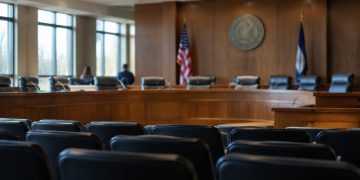
The board acted at its regular meeting Oct. 27. The Board of Water and Power Commissioners meets on the second and fourth Tuesdays of each month at 10:00 a.m., according to the LADWP board meetings and agendas page. Disconnections for safety and similar reasons remain possible under the resolution.
The resolution also directs staff to review the city’s electricity rate ordinance and recommend updates. It tells staff to expand publicity for Level Pay, the thermostat controller program and other efficiency programs.
The board did not vote on an independent audit of LADWP rates, which Mayor Karen Bass has requested. Board President Allan Marks said he hopes to commit to one within the next two years.
Resolution limits shutoffs and orders a rate review
The action pauses residential disconnections for nonpayment for the rest of the year. It does not set new electricity rates, and the board does not have authority to forgive charges, which remain due, according to initial reports.
Staff were directed to review the city’s electricity rate ordinance and to recommend updates to it. The same resolution calls for wider publicity of Level Pay and of efficiency programs, and for expanded enrollment in the thermostat controller program.
Commissioner Benny Tran called the resolution “the floor of what we can do,” suggesting that further action may follow.
Mayor asked for the pause a week earlier
Bass announced the request before the board met. In a statement released Oct. 20, the mayor said LADWP customers can pay what they can afford.
She said she had asked the board to pause shutoffs through the end of 2026 so that no residential customer unable to pay is disconnected for the rest of the year. The statement said that beginning in November, LADWP would give every residential customer information about their electricity and water usage.
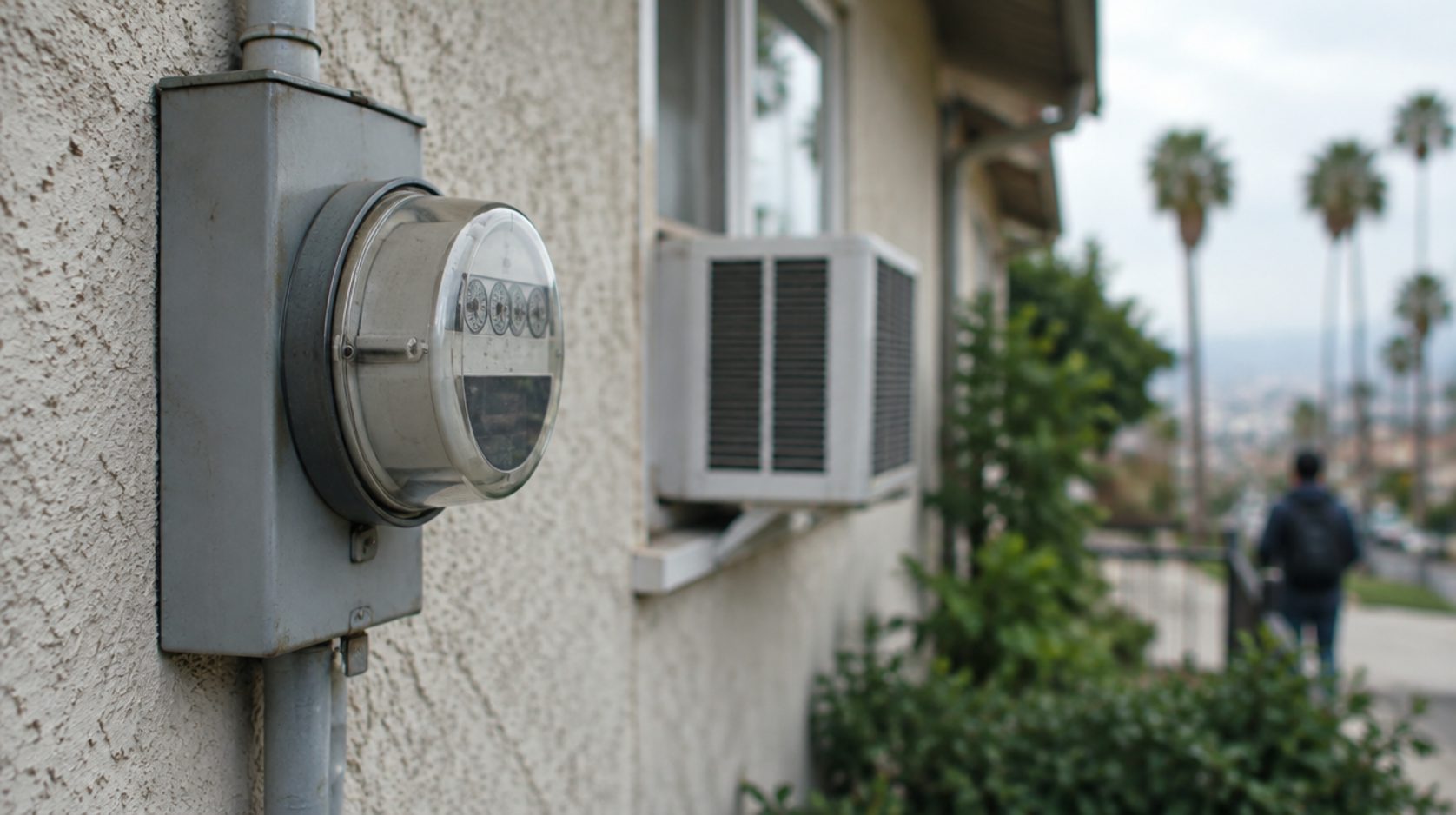
The statement said Los Angeles endured multiple punishing heat waves over the past few months and that running air conditioners raised bills.
In a statement ahead of the Oct. 27 meeting, Bass said Angelenos are “opening bills they did not expect and cannot afford, and they need relief now.” She said she had reviewed the board resolution and that “we can do more.”
Utility leaders point to electricity use
In an interview before the meeting, Marks said weather drives the size of a bill. He said that if a customer keeps the thermostat at 72 or 73, hotter weather means significantly more kilowatt-hours and a significantly higher bill.
Marks said the resolution includes measures for real rate relief and real payment relief, and that people need better information about their power.
Dave Hanson, LADWP’s interim general manager, said it is not so much the rate as the amount of electricity customers are using. He said multiple heat waves and humid conditions pushed consumption to near-record levels, especially for customers who reached higher pricing tiers.
Median electricity usage rose 15% to 20% in the latest bimonthly billing cycle compared with the same period last year, according to initial reports.
How residential electric rates are structured
LADWP offers two residential electric rate options, according to its residential electric rates page: the Standard Residential Rate, known as R-1A, and the Time-of-Use Residential Rate, known as R-1B. Rates differ between the high season, June through September, and the low season, October through May.
Under R-1A, usage is divided into three tiers, and the thresholds depend on the customer’s zone. In Zone 1, Tier 1 is the first 350 kilowatt-hours a month, or 700 bimonthly. Tier 2 is the next 700 kilowatt-hours, or 1,400 bimonthly, and Tier 3 is usage above 1,050 kilowatt-hours a month, or 2,100 bimonthly.
In Zone 2, Tier 1 is the first 500 kilowatt-hours a month, or 1,000 bimonthly. Tier 2 is the next 1,000 kilowatt-hours, and Tier 3 is usage above 1,500 kilowatt-hours a month, or 3,000 bimonthly.
City ratepayer advocate compared LADWP with other utilities
The city’s Office of Public Accountability, which serves as the Ratepayer Advocate, published a benchmark analysis of LADWP electric rates and bills on Feb. 26. The analysis modeled bills at 500 kilowatt-hours and found LADWP about 35% higher than the lowest local municipal utility, Anaheim, and about 27% lower than the highest, Glendale.
Among the five largest utilities it examined, LADWP was about 42% lower than Southern California Edison and about 24% higher than the Sacramento Municipal Utility District. The analysis also noted that LADWP is the only one of the five that does not default customers to a time-of-use rate.
Usage was held constant in the comparison, so actual summer bills would be higher with higher usage. The Ratepayer Advocate has also published a report on how past, present and future LADWP rates and bills frame a discussion of utility affordability in Los Angeles.
Payment plans and assistance programs
LADWP lists Lifeline, EZ-Save and Level Pay among its assistance programs for customers struggling with bills. The Lifeline Rate Program is run by the City Office of Finance and offers senior and disabled residents an exemption on their electric and other utility bills.
The EZ-SAVE Program is for income-qualified customers and qualifies them for additional savings through other city and state programs. Level Pay is a monthly bill payment option that helps customers budget for their LADWP bill and pay off past-due amounts.
The utility also offers payment arrangements for residential customers with no down payment, no interest and no fees. Arrangements can run up to 48 months for discount program participants and up to 24 months for other customers, and short-term extensions are available online, by phone at 1-800-342-5397 or in person.
Audit calls come from Bass, Mejia and Raman
Bass asked for an independent audit of LADWP rates and a 25% increase in the efficiency rebate program. Marks said public focus on issues forces change, and that he hopes to commit to an independent audit within the next two years.
City Controller Kenneth Mejia said his office’s auditors began reviewing LADWP rates the first week of October and are awaiting internal billing records. He said “What we need is constant audits, literally every year,” and urged funding for the Controller’s auditors instead of outside consultants.
Councilmember Nithya Raman, who is running against Bass for mayor, also called for an audit. Her campaign statements call for working with the Controller and for requiring LADWP officials to appear before the City Council to explain rates. Raman said she would ask the Controller’s office for an audit, adding, “What I am asking for is transparency.”
Next regular board meeting falls on Nov. 10
The suspension of residential disconnections for nonpayment runs through the end of 2026. The review of the rate ordinance is pending, and no independent audit has been ordered.
Under the schedule on the board’s page, the next regular meeting falls on the second Tuesday of November, Nov. 10. Public eComment opens the Saturday before a meeting and closes the Monday before at 6 p.m.