













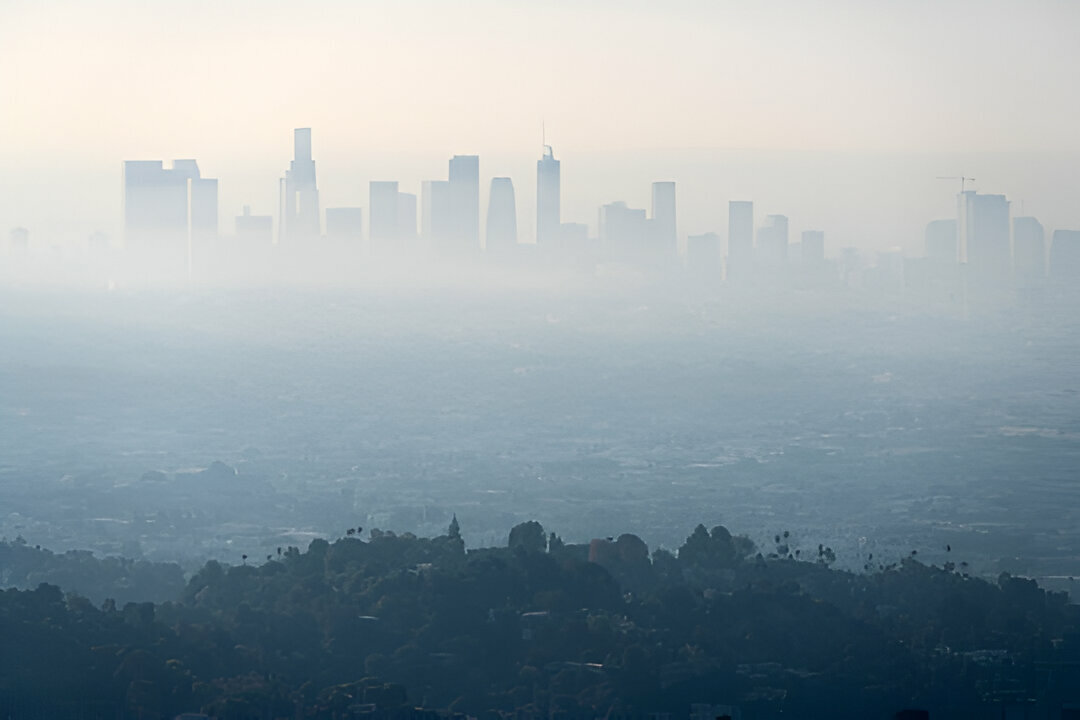
LOS ANGELES, CA – The recent wildfires ravaging the Los Angeles area have not only destroyed thousands of homes but have also sparked an alarming new housing crisis in a region already struggling with affordability and availability. Families displaced by the Palisades and Eaton fires are now grappling with a surge in housing demand, rising rents, and accusations of opportunistic price gouging by landlords.
While some reports suggest rent increases of up to 20% in the short term, experts caution against blanket assumptions. However, the trend of rising rents is undeniable and is adding significant pressure on families left homeless by the fires. Marco Giacoletti, a housing expert at the University of Southern California, explained that this surge in demand is creating a critical strain on the local housing market.
One proposed solution to alleviate the crisis involves loosening zoning restrictions to allow for higher-density housing in areas like Altadena, one of the neighborhoods devastated by the Eaton Fire. This could include replacing single-family homes with duplexes or apartments.
“Rather than putting up single-family residences, we could allow developers to build higher-density housing,” Giacoletti said. However, he acknowledged the political and social challenges of such proposals. “It would significantly change the character of these neighborhoods, and that’s likely to meet resistance from longtime residents.”
David Lazarus, a consumer advocate and reporter, noted that while such measures are common in major cities globally, they run counter to the preferences of many Los Angeles-area residents, who value the suburban, low-density appeal of neighborhoods like Altadena, Pasadena, Malibu, and Pacific Palisades.
“For decades, L.A. has been built on the idea of sprawling neighborhoods with more space,” Lazarus said. “But as with the rest of the world, L.A. may need to rethink that model in the face of increasing challenges.”
Calls for a county-wide rent freeze have also grown louder in the wake of the wildfires. While tenant advocates argue that such measures are essential to prevent exploitation of displaced residents, Giacoletti warns that rent freezes could lead landlords to pull properties off the market entirely, further constraining an already limited housing supply.
For those who have lost their homes, the road to recovery appears daunting. Many residents in Altadena and nearby fire-stricken areas remain uninsured, leaving them with limited options for rebuilding. Even those with insurance may face years-long delays due to policy limitations, increased building costs, and logistical challenges.
“In some cases, it could take five years or more for residents to rebuild,” Lazarus said. “And for those without insurance, they’re effectively out of options for now.”
Another growing concern is the influx of predatory buyers offering cash deals to vulnerable homeowners, often at rates far below the actual value of their land. Lazarus cautioned fire victims to be wary of lowball offers.
“If you get such an offer, don’t rush into anything. Seek a second opinion from a real estate expert or another insurer to ensure you understand the long-term value of your property,” he advised. While the structures may be gone, the land itself often retains significant value—sometimes making up two-thirds of the property’s overall worth.
The rebuilding process is also complicated by bureaucratic hurdles, including zoning regulations and slow insurance payouts. For many displaced families, the lack of clarity and the sheer magnitude of the crisis have left them overwhelmed and uncertain about their future.
Despite these challenges, local officials and community groups are stepping up efforts to assist displaced residents. Los Angeles Mayor Karen Bass recently signed an executive order aimed at expediting the rebuilding process, and state and federal aid programs are being rolled out to provide financial relief and temporary housing solutions.
As Los Angeles faces an uncertain recovery, experts emphasize the need for innovative, long-term solutions to address both the immediate housing needs of fire victims and the systemic issues that have long plagued the region. The crisis, while devastating, may also serve as a turning point for how the city approaches housing and disaster preparedness.
“This is an unprecedented moment for Los Angeles,” Giacoletti said. “While the challenges are immense, this could be an opportunity to reimagine how we build and sustain communities in the face of climate-related disasters.”