










LOS ANGELES, CA – Shoppers across Los Angeles County will begin paying a higher sales tax on taxable purchases Thursday, Oct. 1, as the voter-approved Measure ER takes effect and raises the countywide rate from 9.75% to 10.25%.
The half-percentage-point increase applies throughout Los Angeles County, including incorporated cities and unincorporated areas. Because many cities already impose their own district taxes, the final rate paid at checkout varies by location, with some communities reaching 11.75%.
The new rates are confirmed by the California Department of Tax and Fee Administration, which lists the rates effective Oct. 1, 2026.
What changes with Measure ER
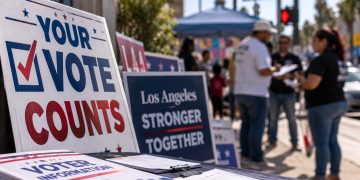
Measure ER, formally known as the Essential Services Restoration Act for Los Angeles County General Sales Tax Measure, was approved by county voters in the June 2 primary election.
The Los Angeles County Registrar-Recorder/County Clerk reports that Measure ER passed with 1,013,747 votes, or 50.64%, compared with 987,977 votes, or 49.36%, against the measure.
The measure adds a 0.5% countywide sales tax for five years. The official ballot description said the tax was expected to generate approximately $1 billion annually and was intended to help address reductions affecting essential county services, including healthcare.
The county’s Measure ER information describes the tax as a temporary measure expected to raise about $1 billion each year, with funds intended to support healthcare, county hospitals and clinics, public health programs and other safety-net services.
The measure is scheduled to remain in effect for five years, meaning it is currently set to expire on Oct. 1, 2031, unless voters approve an extension.
Some cities now reach 11.75%
The 10.25% Los Angeles County rate is not necessarily the amount consumers will see on their receipts.
Local district taxes are added to the countywide rate, meaning shoppers in different cities can pay substantially different totals for the same taxable purchase.
The CDTFA’s official rate schedule shows that Lancaster and Palmdale now have the highest rate among the Los Angeles County cities listed in the Oct. 1 changes, at 11.75%.
Santa Fe Springs reaches 11.50%, while several communities, including Azusa, Bell Gardens, Calabasas, Commerce, Compton, Covina, Culver City, Gardena, Glendora, Irwindale, Lynwood, Pico Rivera, San Marino, Santa Monica, South El Monte and South Gate, are at 11.25%.
Other cities move to 11%, while several coastal and other communities remain at 10.75%.
Los Angeles County sales tax rates effective Oct. 1
| City | Rate |
|---|---|
| Alhambra | 11.00% |
| Arcadia | 11.00% |
| Artesia | 11.00% |
| Avalon | 10.75% |
| Azusa | 11.25% |
| Baldwin Park | 11.00% |
| Bell Gardens | 11.25% |
| Bellflower | 11.00% |
| Burbank | 11.00% |
| Calabasas | 11.25% |
| Carson | 11.00% |
| Commerce | 11.25% |
| Compton | 11.25% |
| Covina | 11.25% |
| Cudahy | 11.00% |
| Culver City | 11.25% |
| Downey | 11.00% |
| Duarte | 11.00% |
| El Monte | 11.00% |
| El Segundo | 10.75% |
| Gardena | 11.25% |
| Glendale | 11.00% |
| Glendora | 11.25% |
| Hawaiian Gardens | 11.00% |
| Hawthorne | 11.00% |
| Huntington Park | 11.00% |
| Inglewood | 10.75% |
| Irwindale | 11.25% |
| La Cañada Flintridge | 11.00% |
| La Puente | 10.75% |
| La Verne | 11.00% |
| Lakewood | 11.00% |
| Lancaster | 11.75% |
| Lawndale | 11.00% |
| Lomita | 11.00% |
| Long Beach | 11.00% |
| Lynwood | 11.25% |
| Malibu | 10.75% |
| Manhattan Beach | 10.75% |
| Monrovia | 11.00% |
| Montebello | 11.00% |
| Monterey Park | 11.00% |
| Norwalk | 11.00% |
| Palmdale | 11.75% |
| Paramount | 11.00% |
| Pasadena | 11.00% |
| Pico Rivera | 11.25% |
| Pomona | 11.00% |
| San Fernando | 11.00% |
| San Gabriel | 11.00% |
| San Marino | 11.25% |
| Santa Fe Springs | 11.50% |
| Santa Monica | 11.25% |
| Sierra Madre | 11.00% |
| Signal Hill | 11.00% |
| South El Monte | 11.25% |
| South Gate | 11.25% |
| South Pasadena | 11.00% |
| Temple City | 11.00% |
| Torrance | 10.75% |
| Vernon | 11.00% |
| West Hollywood | 11.00% |
| Whittier | 11.00% |
The official California sales and use tax rate database also cautions that unincorporated communities are not listed as cities and may instead be subject to the applicable county or unincorporated-area rate.
Perris also sees a separate increase
The changes are not limited to Los Angeles County.
In neighboring Riverside County, the City of Perris increases from 7.75% to 8.75% on Oct. 1 after voters approved a separate 1% city tax.
The CDTFA’s explanation of the Oct. 1 rate changes identifies Perris as one of the cities outside Los Angeles County receiving a new local district tax on the same effective date.
That increase is separate from Measure ER and does not result from the Los Angeles County measure.
What Measure ER is supposed to fund
Measure ER is a general sales tax rather than a tax dedicated to a single individual program. Revenue therefore goes into the county’s general fund and is allocated through the county budget process.
The county has said the intended priorities include healthcare services, safety-net providers, county hospitals and clinics, public health programs and other services affected by financial pressure.
The Los Angeles County Department of Public Health says Measure ER funds are expected to help protect and strengthen essential county services, including healthcare and public health programs.
County officials have also developed an oversight structure. A nine-member citizens’ advisory committee is responsible for reviewing Measure ER revenues and expenditures and evaluating the county’s independent audit.
A legal challenge is already affecting the money
Although the tax is taking effect as scheduled, there is an important development involving how the new revenue can be spent.
Los Angeles County announced Sept. 30 that a lawsuit challenging Measure ER is preventing the county from distributing the new tax revenue to hospitals, clinics and county health departments while the case proceeds.
According to the county’s Sept. 30 announcement, the tax will still be collected beginning Oct. 1, but state law requires the revenue to remain in an escrow account while the legal challenge is pending.
That means residents will begin paying the additional tax even though the county cannot immediately use the money for the healthcare and public health programs identified in its spending plans.
The county estimates Measure ER will generate approximately $1 billion per year for five years. County officials said the legal dispute could delay access to those funds for an extended period.
If the tax is ultimately ruled invalid, the county says the state would administer refunds of the affected revenue.
What purchases are affected
The increase applies to taxable sales rather than every purchase made by county residents.
Certain essential items remain exempt under California law. County materials describing Measure ER specifically identify groceries, prescription medications and medical equipment among items that remain exempt from the additional sales tax.
That does not mean every food purchase is automatically tax-free. The tax treatment can depend on the type of product and how it is sold, so consumers with questions about a particular transaction can use the CDTFA’s sales and use tax resources.
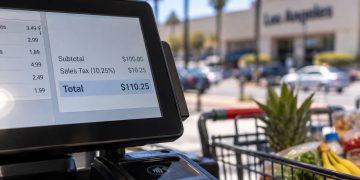
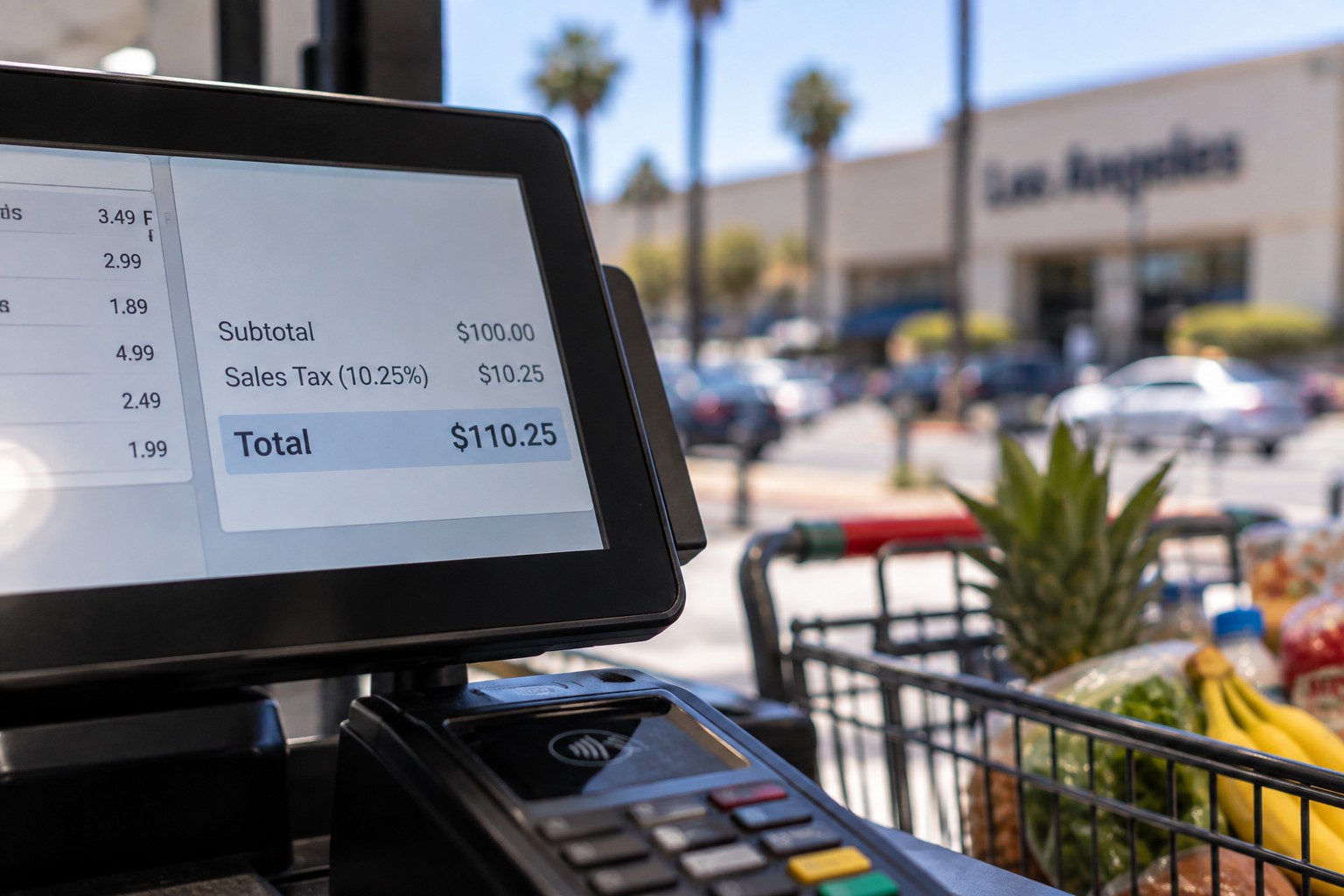
For a taxable purchase of $100, moving from a 9.75% rate to 10.25% means an additional 50 cents in sales tax. At higher city rates, the difference can be greater because local taxes are added to the countywide rate.
How to check the exact rate for your address
The rate listed for a city does not necessarily answer every location-specific question, particularly in unincorporated communities or areas close to municipal boundaries.
The California Department of Tax and Fee Administration’s address lookup tool allows consumers and businesses to search for the applicable sales and use tax rate by address.
The agency says sellers are responsible for applying the appropriate district taxes to taxable transactions, while consumers can use the address-based system to verify the rate associated with a particular location.
For shoppers, the practical effect beginning Oct. 1 is that the same taxable item can produce a different final bill depending on where it is purchased within Los Angeles County.
The countywide Measure ER increase is now in effect, but the legal fight over how its revenue can be used adds another layer to the tax’s rollout. For now, consumers will pay the higher rate while the county waits for the courts to determine whether the money can ultimately be distributed for the purposes approved by voters.