









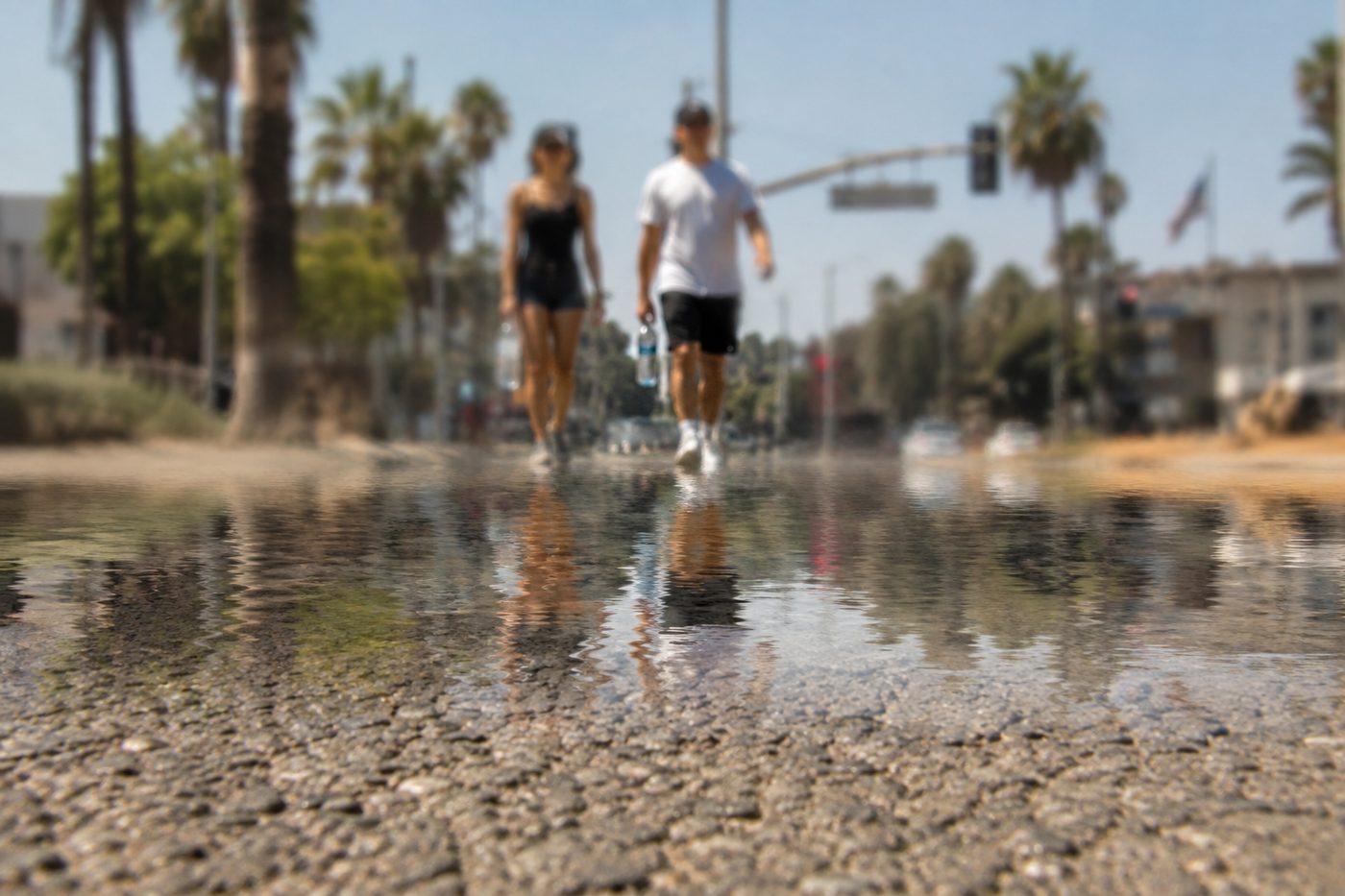
LOS ANGELES, CA – Southern California faced another dangerous stretch of extreme heat in late August, with National Weather Service forecasts warning that temperatures could climb as high as 112 degrees in some of the region’s hottest inland communities.
A National Weather Service Los Angeles/Oxnard alert issued Aug. 23 placed broad sections of Los Angeles and Ventura counties under heat advisories while an Extreme Heat Watch was scheduled to take effect Tuesday morning and continue through Friday evening.
The warnings covered a wide geographic area ranging from coastal communities and downtown Los Angeles to the San Fernando Valley, San Gabriel Valley, Ventura County valleys and the Antelope Valley.
The most extreme conditions were expected well inland.
Forecasters said the Antelope Valley and surrounding foothills could reach 112 degrees during the Tuesday-through-Friday period, including communities such as Lancaster, Palmdale, Lake Los Angeles and Pearblossom.
In the western San Fernando Valley, temperatures were also forecast to approach that level.
An official NWS zone forecast issued Aug. 23 projected highs between 98 and 106 degrees Sunday, with the hottest inland locations reaching 109 to 111.
By Wednesday, the same forecast called for highs between 100 and 112 degrees, followed by temperatures as high as 109 Thursday and 107 Friday.
That meant communities such as Woodland Hills, Northridge, Chatsworth and Van Nuys were facing several consecutive days in which afternoon temperatures could reach or exceed triple digits.
Downtown Los Angeles and other locations closer to the coast were expected to remain somewhat cooler, though still unusually hot.
The NWS forecast for the Los Angeles inland coastal zone called for highs generally in the upper 80s and 90s on Aug. 23, while inland portions of the Los Angeles County beaches zone could reach the upper 80s to mid-90s.
The San Gabriel Valley was forecast to reach 95 to 103 degrees Sunday, 94 to 102 Monday and as high as 104 Tuesday.
The heat was being driven by a strengthening ridge of high pressure over the Southwest, allowing temperatures to rise across much of Southern California while limiting meaningful overnight cooling in some inland areas.
That lack of nighttime relief is one of the factors that can make prolonged heat events particularly dangerous.
NWS alerts warned that overnight temperatures could remain unusually warm, especially in valleys and foothill communities.
When homes and bodies have limited opportunity to cool overnight, the risk from repeated days of extreme heat can increase, particularly for older adults, young children, people without air conditioning and those with existing medical conditions.
The National Weather Service specifically warned that heat-related illnesses increase significantly during extreme heat events and urged residents to drink plenty of fluids, remain in air-conditioned spaces when possible, stay out of direct sun and check on relatives and neighbors.
The warnings were not limited to people spending the day outdoors.
Long periods of excessive heat can also make homes, warehouses, commercial kitchens and other poorly cooled indoor environments dangerous.
California workplace regulators issued their own warning as the heat intensified.
On Aug. 25, Cal/OSHA urged Southern California employers to take additional precautions, specifically citing forecasts of temperatures up to 112 degrees in portions of Los Angeles, Ventura and Santa Barbara counties.
State law requires employers to take steps to prevent heat illness in both indoor and outdoor workplaces.
For outdoor jobs, Cal/OSHA’s heat illness prevention rules require employers to provide drinking water, access to shade, cool-down rest periods and employee training.
Workers must have access to enough fresh water to drink at least one quart per hour, and shade must be available when temperatures reach 80 degrees or higher.
Additional high-heat procedures apply in industries including agriculture, construction, landscaping and certain transportation work once temperatures reach or exceed 95 degrees.
Those rules take on added importance for people working in construction, delivery, landscaping, roadside services, outdoor vending and other jobs where avoiding afternoon heat is difficult.
Indoor workplaces are also covered by California heat regulations.
Cal/OSHA says most indoor workplaces must begin implementing heat protections when temperatures reach 82 degrees, including access to water, cool-down areas, rest and employee training.
For people without reliable air conditioning at home, Los Angeles County maintains a network of public cooling facilities.
The county’s Ready LA County heat portal provides an interactive list of cooling centers, including locations that may operate extended hours during extreme heat emergencies.
County officials say participating cooling centers generally provide air conditioning, drinking water, restrooms and ADA-accessible facilities.
During the most serious heat events, some locations are converted into Augmented Cooling Centers with additional operating hours.
The county also advises residents to consider other air-conditioned public places such as libraries, shopping centers and community facilities when home cooling is unavailable.
Heat can become particularly dangerous inside vehicles.
Public safety agencies routinely warn that children and pets should never be left in a parked vehicle, even briefly.
Interior vehicle temperatures can rise rapidly when exposed to direct sunlight, including on days when outdoor temperatures are substantially lower than the triple-digit readings forecast during this event.
The heat wave also placed additional pressure on Southern California’s homeless population.
People living outdoors may have limited access to air conditioning, reliable shade, cold drinking water or a location where they can escape pavement and other surfaces that retain heat for hours after sunset.
Los Angeles County specifically identifies people without air conditioning and people who must remain outdoors as groups facing elevated risk during excessive heat.
The danger also extends beyond air temperature alone.
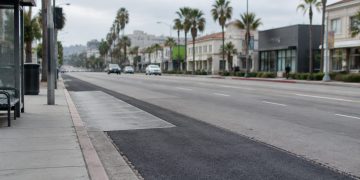
Sidewalks, asphalt, vehicle interiors and other dark surfaces can become far hotter than the reported air temperature during extended periods of direct sun.
Those conditions can increase the risk of burns, dehydration and heat illness for pedestrians, pets and outdoor workers.
The National Weather Service identifies several stages of heat illness.
Heat exhaustion can involve heavy sweating, weakness, dizziness, nausea and headache.
Heat stroke is more serious and can cause confusion, loss of consciousness and dangerously high body temperature, requiring immediate emergency medical treatment.
Residents were encouraged to reduce strenuous outdoor activity during the hottest afternoon hours whenever possible.
People exercising or working outside were advised to schedule demanding activity earlier in the morning or later in the evening, drink water regularly and take frequent breaks in shaded or cooled areas.
The late-August heat also raised concerns about air quality.
High temperatures and intense sunlight can contribute to ground-level ozone formation, particularly across inland portions of the Los Angeles Basin.
That means people with asthma, other respiratory conditions, children and older adults may face overlapping risks when heat and poor air quality occur at the same time.
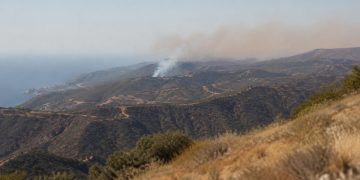
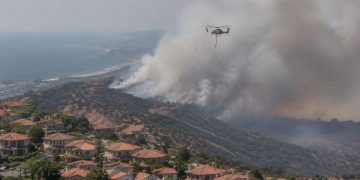
Wildfire danger can also rise during prolonged periods of hot and dry weather as vegetation loses moisture.
However, extreme fire behavior depends on multiple factors, including humidity, fuel conditions and wind.
The base forecast did not indicate a major regional wind event accompanying the heat, meaning temperature alone did not establish that a significant wildfire outbreak was imminent.
Some mountain and desert communities were also facing a different weather concern.
Monsoonal moisture was expected to create opportunities for isolated showers or thunderstorms across portions of Southern California’s mountains and deserts during the broader heat period.
Those storms can be highly localized, meaning one area may receive rain while another nearby remains dry and extremely hot.
The official Aug. 23 NWS alerts scheduled the Heat Advisory to remain in effect until 10 a.m. Tuesday, Aug. 25, followed by the Extreme Heat Watch through Friday evening, Aug. 28.
The threat later became serious enough that Cal/OSHA referenced Extreme Heat Warnings through Friday when it issued its Aug. 25 worker-safety advisory.
By Aug. 30, the prolonged heat episode had begun to ease substantially.
The National Weather Service’s Los Angeles/Oxnard office reported Sunday that relief was arriving, with below-seasonal temperatures expected early in the new week.
The contrast illustrates how quickly heat alerts can evolve: the original Aug. 23 forecast warned of a dangerous multi-day escalation, while the region was moving into a cooler pattern roughly one week later.
For residents, the central warning during the event remained straightforward: the highest temperatures were expected inland, but prolonged heat posed risks across Southern California, including communities that normally experience more moderate summer weather.
People without reliable cooling, outdoor workers, older adults, young children and those with health conditions faced the greatest danger.
Los Angeles County residents can continue using the county’s official cooling-center and heat-safety resources whenever excessive heat returns.