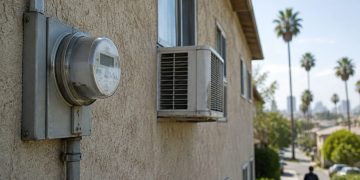








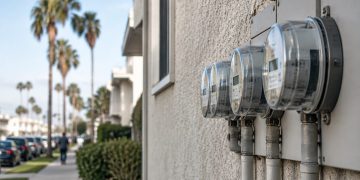

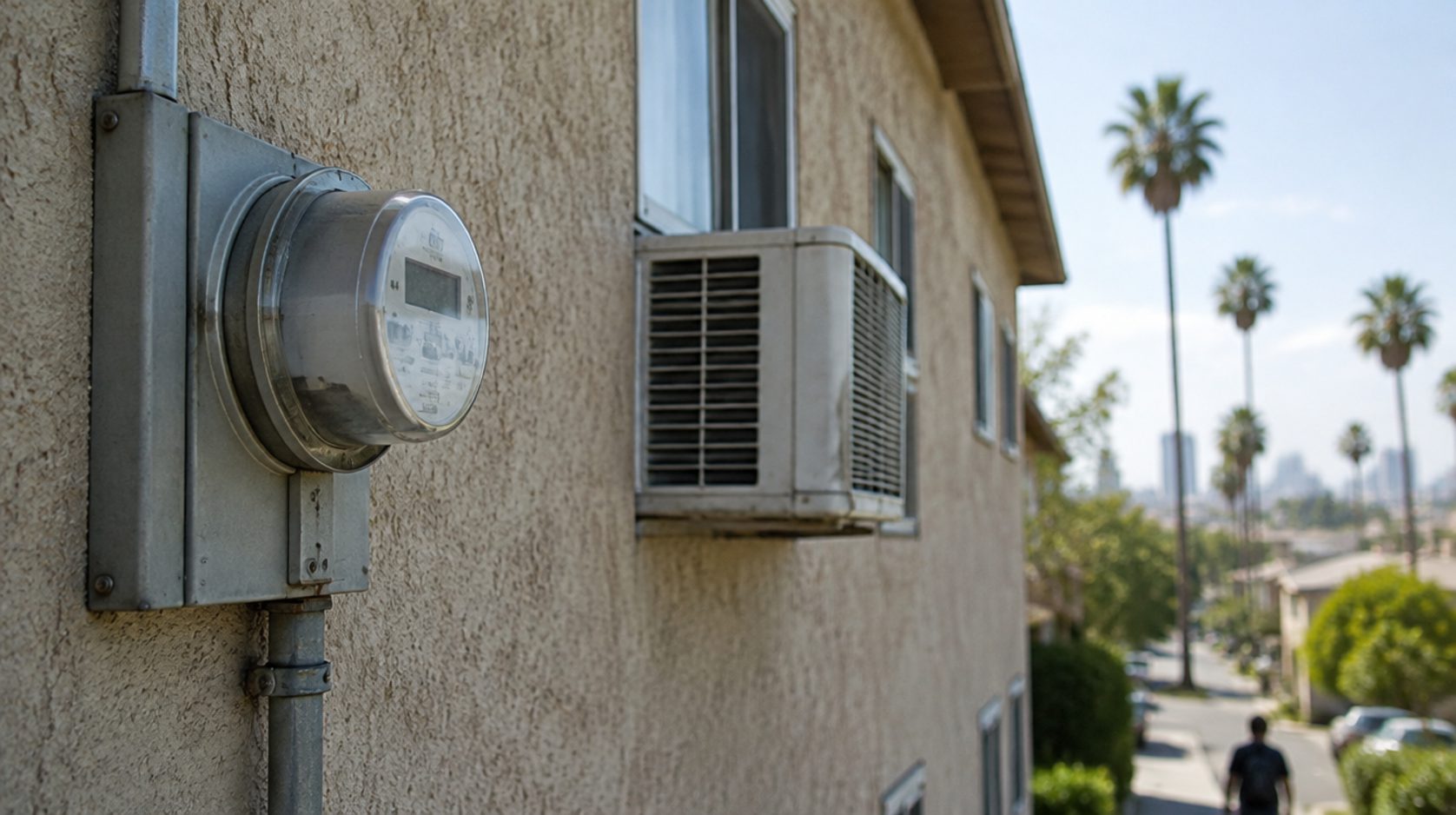
LOS ANGELES, CA – Mayor Karen Bass announced temporary relief Tuesday for Los Angeles Department of Water and Power customers facing sharply higher utility bills after repeated heat waves, saying customers can pay what they can afford now and that she has asked the utility’s board to pause shutoffs through the end of the year, according to a statement from the mayor.
Bass issued the statement Tuesday, Oct. 20, about two weeks before Election Day. She asked the Los Angeles Department of Water and Power (LADWP) Board of Commissioners to pause shutoffs through the end of 2026 for residential customers who are unable to pay, and she said the utility will begin giving every residential customer information about their usage next month.
The announcement followed weeks of public anger over bills that customers said had doubled or tripled, a petition signed by tens of thousands of people and an investigation announced by City Controller Kenneth Mejia. LADWP has attributed the higher bills to much hotter weather and heavier use of air conditioning.
Councilmember Nithya Raman, who is running against Bass in the mayoral race, proposed her own plan this week that includes an audit of LADWP with the controller.
Here is what the mayor announced, which assistance programs she urged customers to use, and what the controller, the utility and Raman have said.
Mayor asks board to pause shutoffs
In her statement, Bass said customers can pay what they can afford now. She asked the LADWP Board of Commissioners to pause shutoffs through the end of the year for residential customers who are unable to pay their bills.
The request applies to residential accounts. Bass framed it as temporary relief for customers affected by bills that rose after multiple recent heat waves.
Bass said running air conditioners has been a necessity this year and that the resulting increase in bills is a real burden for many Angelenos. She said air conditioning is essential for seniors and people with health conditions, and she pointed to gasoline prices, inflation and grocery costs as reasons not to overwhelm residents with utility bills.
The LADWP board has previously approved a separate policy that suspends water and power shutoffs for non-payment during extreme heat and cold weather events. The pause Bass requested Tuesday is a different request that covers the rest of 2026 for residential customers who cannot pay.
Usage information to reach customers in November
Beginning in November, LADWP will give every residential customer information about their usage, according to the mayor’s statement. The information is meant to help customers understand how much electricity and water they are using and find ways to conserve.
Bass also encouraged customers to enroll in assistance programs the utility already runs. She named Level Pay for all customers and urged low-income seniors and households to look at the Lifeline and EZ-SAVE programs.
How Level Pay works
According to the utility’s Level Pay program page, the program averages a customer’s utility usage over the past 12 months into equal monthly payments. Level Pay is available to all residential and multi-residential customers with qualifying services.
Payment terms of 12, 24 and 36 months are offered. The 24- and 36-month plans are only for accounts with arrears, meaning a past-due balance.
Accounts can be in good standing or carry a past-due balance when they enroll. Customers can cancel by calling 1-800-DIAL-DWP, or 800-342-5397, according to the page.
EZ-SAVE and Lifeline target income-qualified households
The EZ-SAVE Program helps income-qualified customers save on their LADWP bills, according to the utility. Customers do not need to show proof of income to enroll.
Income limits depend on household size. They run from $43,280 for a household of one or two people to $111,440 for a household of eight, effective July 1, 2026.
The program page says customers who are 62 or older, or who have a disability, can look at the Lifeline Program, which offers the biggest discounts. Bass urged low-income seniors and households to consider both programs.
Customers report bills that doubled or tripled
Customers began reporting sharp increases in their bills in recent months, with some saying their charges doubled or tripled and rose by hundreds or even thousands of dollars. According to initial reports, an Encino-area customer received a power bill of about $3,300, more than $600 above the same period a year earlier, and started a petition seeking an independent audit and summer rate relief.
According to initial reports, a Fairfax District deli reported a bill of $35,700, about $11,000 more than it had paid four months earlier. The petition for an audit has since drawn signatures from tens of thousands of people.
The Controller’s Office said it has received thousands of requests from frustrated Angelenos who are outraged by their unusually high LADWP bills.
LADWP points to hotter weather
LADWP Chief Customer Officer Joe Ramallo said the utility’s customers faced a harder season than in the past. “This year was especially difficult,” Ramallo said. “It was so much hotter this summer than the prior.”
The utility’s residential electric customers choose between the Standard Residential Rate and the Time-of-Use Residential Rate, according to LADWP’s residential electric rates page. High season runs from June through September, and low season runs from October through May.
Under the Standard Residential Rate, usage is billed in tiers by zone. In Zone 1, Tier 1 covers the first 350 kilowatt-hours a month, Tier 2 the next 700 and Tier 3 anything above 1,050. In Zone 2, Tier 1 covers the first 500 kilowatt-hours, Tier 2 the next 1,000 and Tier 3 anything above 1,500, according to the page.
The city’s Ratepayer Advocate has also examined the cost side. The Office of Public Accountability published a report on how past, present and future LADWP rates and bills bear on utility affordability in Los Angeles.
Tim O’Connor, the office’s executive director, said the question of affordability comes up when bills are high. “We understand when bills are high, especially in the summer season, people really start to ask this question,” he said. His office documented the lowest residential electric tier rising from 22 to 27 cents per kilowatt-hour between January 2025 and October 2026, an increase of about 23%.
Controller opens investigation
Mejia announced an investigation into the high bills this month. He said the Controller’s Office has received thousands of requests from Angelenos frustrated by unusually high LADWP bills.
Speaking about one customer’s bill, Mejia said, “It doesn’t sit right with me; it doesn’t sit right with a lot of folks.”
The controller’s investigation is separate from the mayor’s request to the LADWP board. Bass’s statement addresses payments, shutoffs and customer information, while the controller’s work examines the bills themselves.
Raman proposes audit and public rate hearings
Raman, who is Bass’s opponent in the mayoral race, announced a three-point plan on Oct. 19 and 20. She proposed auditing LADWP with the controller, including executive pay. She also proposed requiring LADWP officials to explain rates publicly to the City Council, and repairing and modernizing the utility system.
Raman said LADWP has not checked in with the Council about rates since 2016. She also claimed that LADWP bills rose 40% citywide under Bass and that hidden charges called adjustment factors make up more than two-thirds of the full cost. Those figures are campaign claims and have not been independently established.
The announcement from the mayor and the plan from her challenger came two weeks before Election Day, and both respond to the same customer complaints about bills.
Shutoff pause awaits board action
The mayor’s request is not itself a shutoff moratorium. Under it, the LADWP Board of Commissioners would have to act, and the board had not been confirmed to have voted on the pause as of Oct. 20.
The usage information that LADWP will provide to residential customers is scheduled to begin in November. The controller’s investigation remains under way, and Raman’s audit proposal has not been acted on by the City Council.