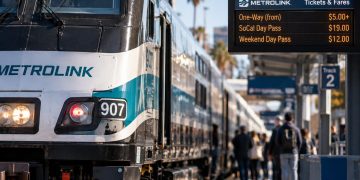





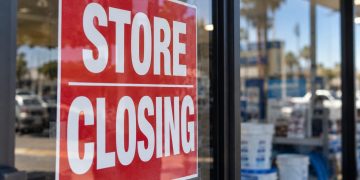
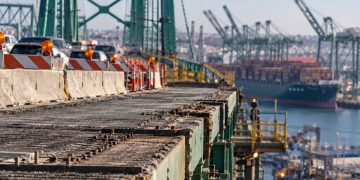





LOS ANGELES, CA – Metrolink fares increased Monday across Southern California, marking the regional rail system’s first systemwide fare increase in 13 years as the agency faces higher operating and maintenance costs, lower post-pandemic ridership and declining state and federal funding.
The changes took effect Oct. 5, 2026, and primarily affect one-way tickets and the SoCal Day Pass. Metrolink says the adjustments are intended to address financial pressures while maintaining its simplified fare structure and existing discount programs for riders.
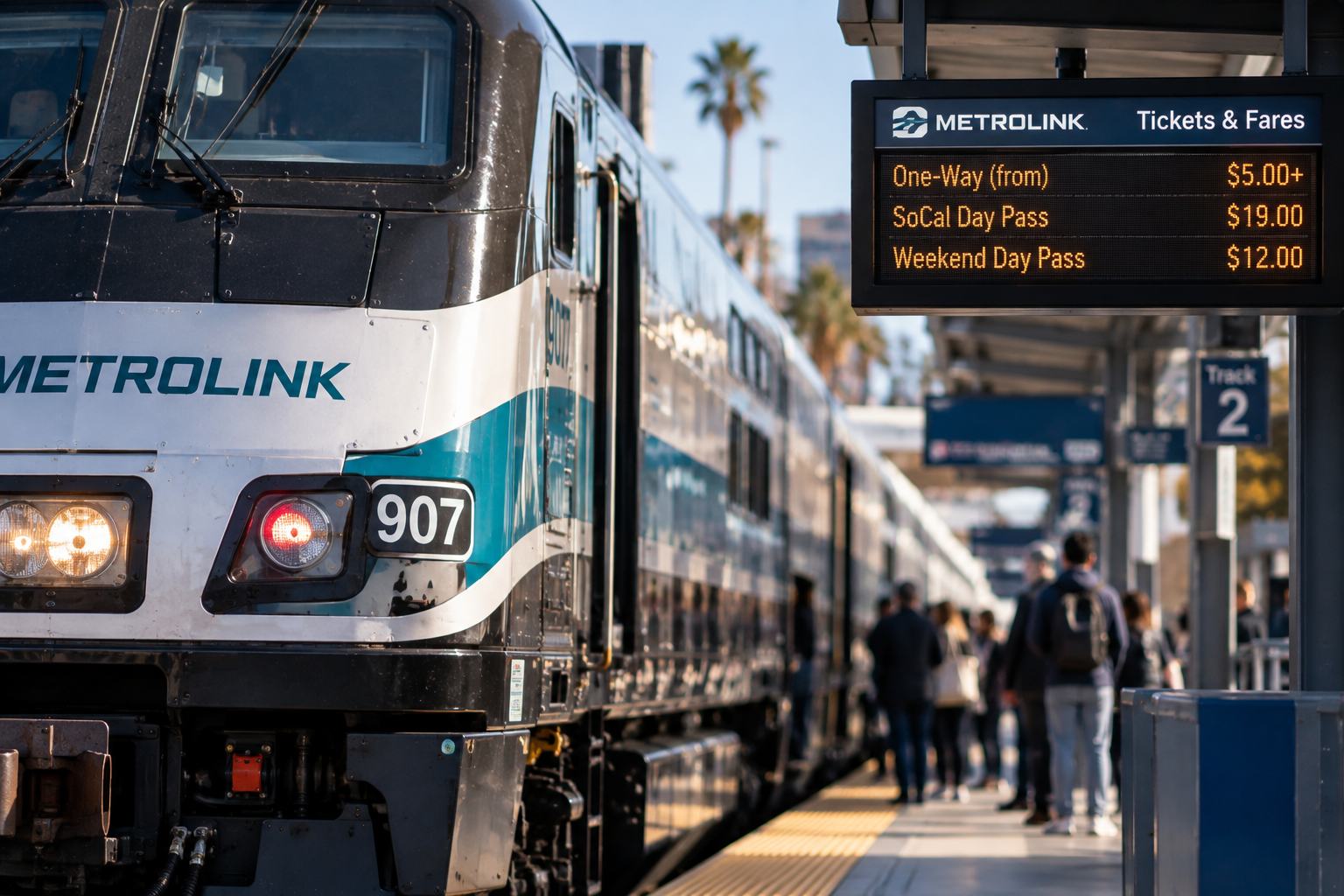
According to Metrolink’s official fare adjustment information, one-way ticket prices are increasing by approximately 14%, although the exact amount depends on the distance traveled.
For most riders, the increase is relatively limited in dollar terms. Metrolink says nearly 80% of one-way ticket purchases will increase by no more than $1, while fewer than 1% will increase by more than $2.
SoCal Day Pass increases to $19
One of the more visible changes involves the SoCal Day Pass.
The weekday pass is now $19, up from $15. That represents a $4 increase for riders who use the pass for unlimited Metrolink travel throughout the applicable service area during the day.
The weekend and holiday SoCal Day Pass is increasing from $10 to $12.
The Metrolink fare schedule confirms that the LA Zone Day Pass will remain $5, regardless of distance.
The agency said the LA Zone Day Pass is not part of the primary fare increase, giving riders who make qualifying trips within the Los Angeles zone an option that remains at its existing price.
Monthly and 5-Day Flex passes will vary
Not every Metrolink rider will see the same change.
Prices for Monthly Passes and 5-Day Flex Passes are calculated using the applicable one-way fares. Because those underlying fares are changing, the price of these passes can also change.
Metrolink says some customers may see a small increase, while others could see no change or even a lower price, depending on their origin and destination.
The agency says these adjustments are formula-driven rather than a separate change to the percentage savings associated with those products.
October Monthly Passes went on sale Sept. 25 at the updated prices, ahead of the broader fare changes taking effect Oct. 5.
Discounts remain available
Metrolink is keeping its Everyday Discount programs in place despite the fare increase.
The programs continue to provide discounts for several groups, including students and youth, seniors, riders with disabilities, veterans and active-duty military members, Medicare recipients and low-income customers.
The Student/Youth Discount remains at 50% on eligible fares, excluding the LA Zone Day Pass.
The Mobility-4-All program is also continuing. Riders with a California EBT card can continue receiving a 50% discount on Metrolink fares purchased at station ticket machines, although the final discounted amount can change when the underlying fare changes.
The fare increase also does not change Metrolink’s existing transfer benefits. Tickets and passes continue to include free transfers to connecting local transit services under the applicable programs.
Why Metrolink raised fares
Metrolink says it kept its fares unchanged for 13 years even as the cost of operating and maintaining the regional rail system increased.
At the same time, ridership has not fully returned to pre-pandemic levels, while the agency says state and federal funding support has declined.
In its announcement of the fare adjustments, Metrolink said the changes are part of a broader effort to address those financial pressures and support the long-term sustainability of regional rail service.
The agency’s Board of Directors approved the fare changes June 26, along with permanently adopting the simplified fare structure that Metrolink introduced in July 2025.
That simplified system was created to reduce the complexity of Metrolink’s previous fare structure and introduced products such as the SoCal Day Pass and LA Zone Day Pass.
Print-at-home tickets end
The fare changes also coincide with the end of another ticketing option.
Beginning Oct. 5, Print-at-Home ticket sales are no longer available.
Metrolink says passengers can continue purchasing tickets through the Metrolink mobile app and station ticket machines, as well as ticket windows at Los Angeles Union Station.
Contactless payment is also available for eligible trips within the current pilot area, which includes San Bernardino Line and Arrow trips.
The agency is encouraging frequent riders to compare one-way fares with the 5-Day Flex and Monthly Pass options because the best value can vary depending on how often and how far a passenger travels.
Fare increase comes as Metrolink faces broader financial pressure
The fare adjustment comes as Metrolink works to manage its broader financial situation while continuing to operate regional passenger rail service across Southern California.
The system serves six counties and connects communities across a large portion of the region, making fare policy an important part of the agency’s effort to balance affordability with the cost of maintaining service.
Metrolink says the goal of the new pricing structure is not simply to raise fares, but to preserve a simpler system while maintaining discounts and other benefits available to riders.
For passengers, however, the immediate change is straightforward: one-way tickets now cost approximately 14% more on average, weekday SoCal Day Passes cost $19, and weekend and holiday SoCal Day Passes cost $12.
The agency says the updated fares are now in effect throughout its system, while the $5 LA Zone Day Pass and existing Everyday Discount percentages remain unchanged.