







LOS ANGELES, CA – Los Angeles officials are stepping up preparations for a potentially historic El Niño as federal forecasters warn the climate pattern is strengthening and could bring an elevated risk of heavy rain, flooding, landslides and debris flows across Southern California during the 2026-27 winter season.
Mayor Karen Bass outlined the city’s preparations Monday alongside National Weather Service officials and leaders from several city departments, emphasizing that crews are taking steps before major storms arrive rather than waiting for a specific weather event to develop.
The National Oceanic and Atmospheric Administration’s Climate Prediction Center said in September that El Niño had a greater than 90% chance of becoming a very strong event during the Northern Hemisphere fall and winter. For the October-through-December period, forecasters placed the probability of an event reaching historic strength at 75%, meaning it could exceed the strength of previous El Niño events in records dating to 1950.
That forecast does not mean Los Angeles is certain to experience record rainfall or flooding. Federal forecasters have emphasized that a strong El Niño increases the likelihood of weather patterns associated with the climate phenomenon, but does not guarantee a particular outcome in a specific location.
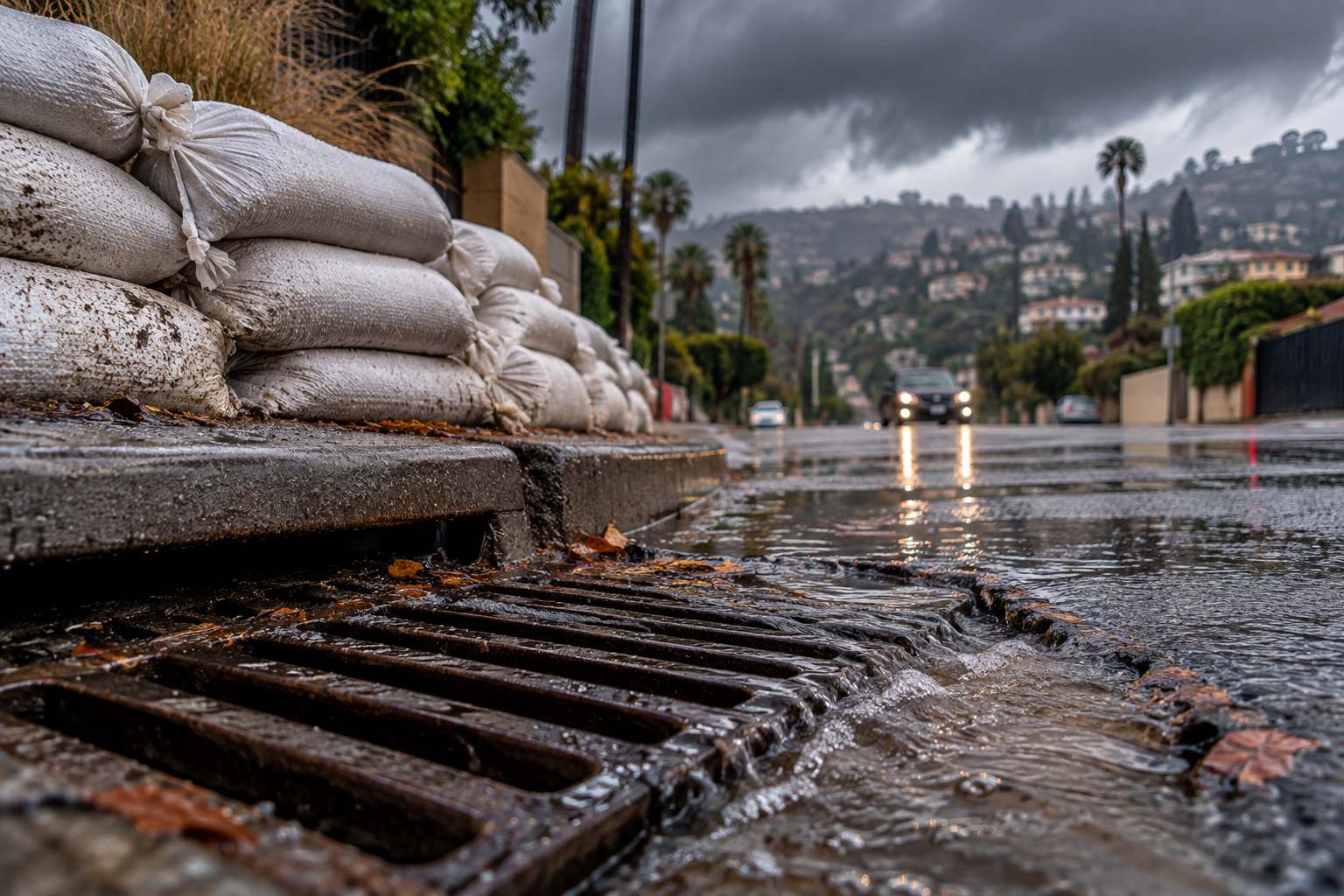
City clearing thousands of drainage systems
Los Angeles has already begun work aimed at improving its ability to handle heavy rainfall.
According to the Office of Mayor Karen Bass, city crews have cleared more than 31,000 catch basins and drainage systems, along with 50 debris basins, including facilities serving the Pacific Palisades area.
The work is intended to maximize drainage capacity and reduce the risk that stormwater will overwhelm streets and other infrastructure when heavy rainfall arrives.
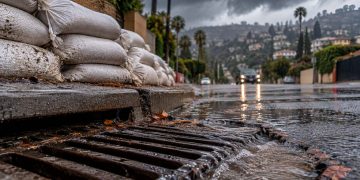
City crews are also assessing hillsides, recent burn areas and other locations considered vulnerable to flooding, mudslides and debris flows. Officials said they have installed or are preparing more than 13,000 feet of K-rail and sandbags, with additional protective measures planned at 25 locations across Los Angeles.
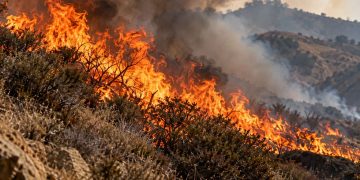
The preparations are particularly significant in areas affected by recent wildfires. Burn scars can leave hillsides more vulnerable to erosion and debris movement when intense rainfall follows a fire, creating risks that can extend beyond the areas directly damaged by flames.
Palisades burn area remains a major concern
The Pacific Palisades burn area is among the locations receiving additional attention as the city prepares for the possibility of heavy winter storms.
Los Angeles officials are monitoring nearly 250 high-risk grading and construction sites, with particular attention being given to the Palisades burn scar and other hillside locations.
The Los Angeles County emergency preparedness program similarly warns that El Niño can increase the potential for heavier rain and back-to-back storms in Southern California. The county is urging residents to prepare for the possibility of severe weather rather than assuming that the absence of an immediate storm means the risk is low.
County officials have also been preparing flood-control infrastructure and monitoring areas vulnerable to landslides and debris flows as part of the broader 2026-27 storm season response.
Emergency crews and equipment being positioned
The city is also preparing equipment that could be deployed quickly during a major storm.
Officials said generators, pumps, pumper trucks, sandbags and other emergency resources are being positioned for rapid response. The Los Angeles Fire Department is preparing personnel and equipment for storm-related emergencies, including potential flooding and swift-water rescues.
The Los Angeles Department of Water and Power is preparing crews to respond to possible power outages and protect critical water and electricity infrastructure. Emergency coordination will be centralized through LADWP’s new Department Emergency Operations Center.
The city is also coordinating tree work near power lines, another concern when strong winds accompany heavy rain.
California has already declared an emergency
The preparations in Los Angeles are part of a broader statewide response.
Gov. Gavin Newsom proclaimed a state of emergency on Sept. 21 to accelerate California’s preparations for the potential impacts of a strong El Niño. The Governor’s Office said the declaration allows state agencies to move more quickly to protect vulnerable communities, stage emergency supplies and strengthen preparations for flooding, landslides, coastal erosion and severe storms.
The state is also preparing flood-fighting supplies, including sandbags and pumps, while Caltrans is staging equipment for potential road closures and other transportation disruptions. The California National Guard could also assist with flood response, search-and-rescue, engineering and logistics missions if needed.
Residents urged to prepare before storms arrive
Officials are also asking residents to take basic precautions before the rainy season becomes more active.
The Los Angeles County emergency preparedness website recommends having an emergency plan, maintaining supplies and staying informed through official alerts. Residents can also review information about flooding, rain, debris flows and other hazards before severe weather develops.
Los Angeles city officials are encouraging residents to sign up for NotifyLA emergency alerts, prepare emergency supplies and check whether their homes are located in flood-prone areas.
Residents living near recent burn scars or hillsides are being urged to pay particular attention to evacuation information and changing weather conditions. The city is also making sand and sandbags available at fire stations for residents in areas vulnerable to flooding.
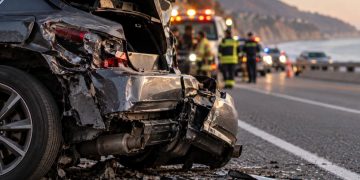
Officials warn that driving through flooded streets can be dangerous because water may be deeper or moving faster than it appears, while roads themselves can be damaged beneath standing water.
El Niño raises the risk, but does not determine the outcome
The National Weather Service has stressed that the climate pattern should be understood as a shift in probabilities rather than a guarantee of a particular disaster.
Dr. Ariel Cohen, chief meteorologist for the National Weather Service office in Los Angeles/Oxnard, said officials cannot predict with certainty whether destructive weather will occur. The focus, he said, is on recognizing the elevated risk and preparing responsibly for the possibilities.
That distinction is important as Los Angeles enters a winter season with several areas already vulnerable because of recent fires, hillside instability, coastal erosion and aging infrastructure.
For city officials, the strategy is therefore to complete as much preparation as possible before the first major storm arrives. Drainage systems are being cleared, emergency equipment is being positioned, vulnerable hillsides are being assessed and response agencies are coordinating their plans.
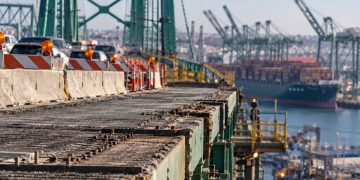
The Port of Los Angeles is also preparing for the possibility of heavy rainfall, coastal flooding, mudslides and beach erosion, with port authorities coordinating with maritime and emergency-response partners as conditions develop.
For now, forecasters continue to monitor the developing El Niño while local, county and state agencies prepare for a range of possible winter conditions. The strength of the eventual storms and their exact effects on Los Angeles remain uncertain, but officials are treating the potential for significant weather impacts as a reason to prepare well in advance.