





LOS ANGELES, CA – More than one-third of patients treated by a community health provider after the Lineage Logistics warehouse fire in Boyle Heights met clinical surveillance criteria associated with smoke or toxic exposure, according to a newly released report.
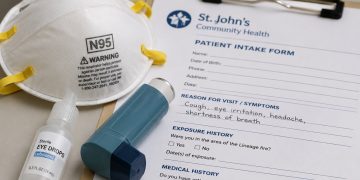
The St. John’s Community Health report examined 1,306 unduplicated patients seen during the response period from June 17 through July 31, 2026.
Of those patients, 469 — or 35.9% — met criteria directly related to toxic exposure and smoke inhalation, including acute upper respiratory infections, eye disorders, conjunctivitis, persistent cough, asthma exacerbations and other respiratory conditions.
The findings add a clinical dimension to concerns that have persisted in Boyle Heights since the June 17 fire at the nearly 500,000-square-foot cold-storage warehouse.
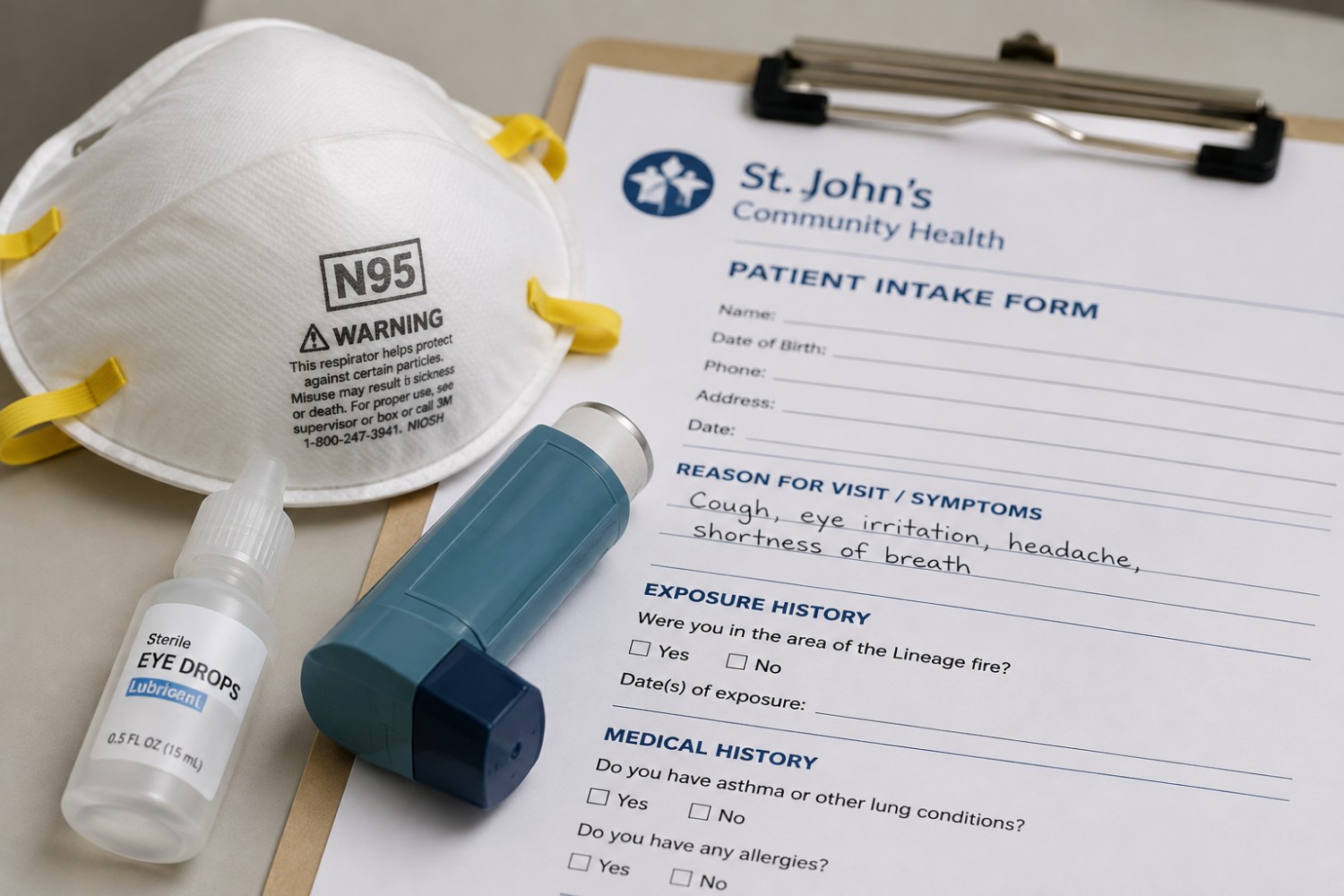
St. John’s said it deployed three mobile clinics into the area after the fire and distributed thousands of air purifiers and tens of thousands of N95 masks while treating residents affected by smoke, odors and the aftermath of the blaze.
The report found that 348 patients were diagnosed with toxic effects of smoke, while 320 received diagnoses involving contact with or exposure to hazardous substances.
Because some patients fell into more than one category, those totals overlap.
The report also listed 54 cases of acute upper respiratory infection, 49 patients with headaches, 46 with eye disorders, 22 with asthma, 21 with persistent cough and 20 with respiratory conditions attributed to inhalation of chemicals.
Among the patients meeting the fire-related exposure criteria, 91.7% were Hispanic or Latino or Mexican, 64.4% were women and 63.5% were age 50 or older, according to St. John’s.
The health provider also compared diagnoses recorded before and after the fire.
Its report showed no diagnoses for toxic smoke exposure among the comparison group treated in April and May, compared with 348 during the June-July mobile response.
Diagnoses involving hazardous substance exposure increased from none to 320, while respiratory conditions attributed to chemical inhalation rose from one to 20.
The report also documented mental health effects.
St. John’s said 25 patients received anxiety or sleep medications, while providers documented concerns involving insomnia, environmental exposure, housing instability, possible relocation, uncertainty about neighborhood safety and broader psychosocial distress.
In one case described in the report, a patient with asthma arrived at a mobile clinic experiencing worsening shortness of breath and required an urgent breathing treatment.
Other patients were given inhalers, antihistamines, medications for eye irritation, cough treatments, systemic steroids and other therapies.
The findings do not establish that every diagnosis recorded during the response was caused solely by the warehouse fire.
They reflect clinical surveillance and diagnoses documented by St. John’s providers during the response period and should be distinguished from a formal epidemiological study establishing individual causation.
However, independent public agencies also documented significant smoke impacts during the active fire.
The Los Angeles County Department of Public Health issued a smoke advisory on June 17, saying the warehouse fire was affecting air quality east of downtown Los Angeles and parts of the San Gabriel Valley.
That advisory was subsequently extended as smoke continued to affect the region.
On June 22, Public Health reported that air monitors near the fire were still recording Very Unhealthy PM2.5 conditions in Boyle Heights even as air quality improved elsewhere.
The South Coast Air Quality Management District said it conducted mobile air monitoring on June 17 and 18 and later deployed continuous particulate monitors at Eastman Avenue Elementary School and Stevenson Middle School.
During the active fire, the agency observed significantly elevated concentrations of PM2.5 for short periods within the smoke plume.
South Coast AQMD also found elevated bromine and chlorine during early monitoring, although the measured levels were below short-term health-based exposure thresholds.
No measurable hydrogen fluoride was detected, and air toxic metals remained within typical ranges, the agency said.
Monitoring has continued through the cleanup phase.
South Coast AQMD said it added continuous hydrogen sulfide and methane monitoring at Eastman Avenue Elementary School on July 9 and continuous ammonia monitoring on July 23.
The agency has also been conducting unannounced air-quality assessments around the neighborhood and overseeing third-party monitoring performed during the cleanup.
South Coast AQMD notes that some odors can cause temporary symptoms such as headaches, nausea and irritation of the eyes, nose and throat even at concentrations below levels associated with long-term health concerns.
Those public findings provide important context for a dispute over the health implications of conditions surrounding the site.
Lineage has maintained that ongoing independent and regulatory air monitoring does not show harmful neighborhood exposures.
On its Boyle Heights fire-response page, the company says monitoring by its contractor and South Coast AQMD has consistently shown readings within what it describes as normal neighborhood levels and no harmful health impacts.
That statement does not negate the acute smoke impacts documented during the active fire or the clinical findings reported by St. John’s.
Rather, it reflects Lineage’s position regarding ongoing air monitoring during the recovery and cleanup phase.
Public Health has separately continued responding to neighborhood concerns.
A July community survey conducted by the Los Angeles County Department of Public Health found that many residents around the warehouse reported strong and persistent odors following the fire.
The county has also issued citations and inspection reports related to unsanitary and nuisance conditions associated with decaying food, flies and rodents at the site.
On July 24, Public Health said Lineage had been cited after inspectors documented pest-control violations and nuisance conditions linked to spoiled food remaining inside the fire-damaged warehouse.
The county continues to maintain a dedicated Boyle Heights warehouse fire health and safety page, which includes inspection reports, health guidance, cleanup information and resources for residents.
Meanwhile, cleanup operations at the Los Palos site have entered a new phase.
In an Aug. 18 update, Lineage said nearly all bulk food waste had been removed and that workers had begun decontamination and cleaning alongside removal of the remaining loose debris.
The next phase includes power washing, disinfecting, detailing and deodorizing areas of the warehouse.
The company said some remaining food was lodged inside a six-story rack system spanning roughly 40 miles of shelving, forcing workers in protective gear to remove debris manually from areas inaccessible to heavy equipment.
Lineage said it now expects to spend more than $100 million on the overall cleanup and has deployed an average of 400 workers per day, with more than 100,000 work hours logged.
The company has also said it is continuously monitoring air quality and sharing data with regulators and the public while operating odor-control systems, air scrubbers, pest-control measures and sealed waste-removal operations.
The fire and cleanup have remained a major health and environmental concern in Boyle Heights for more than two months.
St. John’s report now provides the most detailed clinical snapshot to date of symptoms and diagnoses documented among residents who sought care during the response.
The report does not resolve the broader debate over long-term health effects, and no government agency has yet released a comprehensive epidemiological study establishing the extent of lasting health impacts.
For now, public agencies continue monitoring air quality and neighborhood conditions while medical providers track the health concerns reported by residents.
The cleanup remains ongoing.