





LOS ANGELES, CA – Three months after a major fire tore through the Lineage Logistics cold-storage warehouse in Boyle Heights, new health data are showing continued increases in several categories of medical diagnoses among patients in areas affected by the June 17 blaze, while the Los Angeles Fire Department has concluded its investigation without determining a definitive cause.
AltaMed reported that patients in the fire’s impact area sought medical care at higher rates for respiratory conditions, irritant and environmental exposure, gastrointestinal problems, anxiety and depression from June through August 2026 compared with the same period a year earlier.
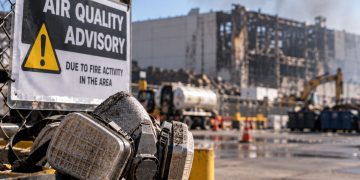
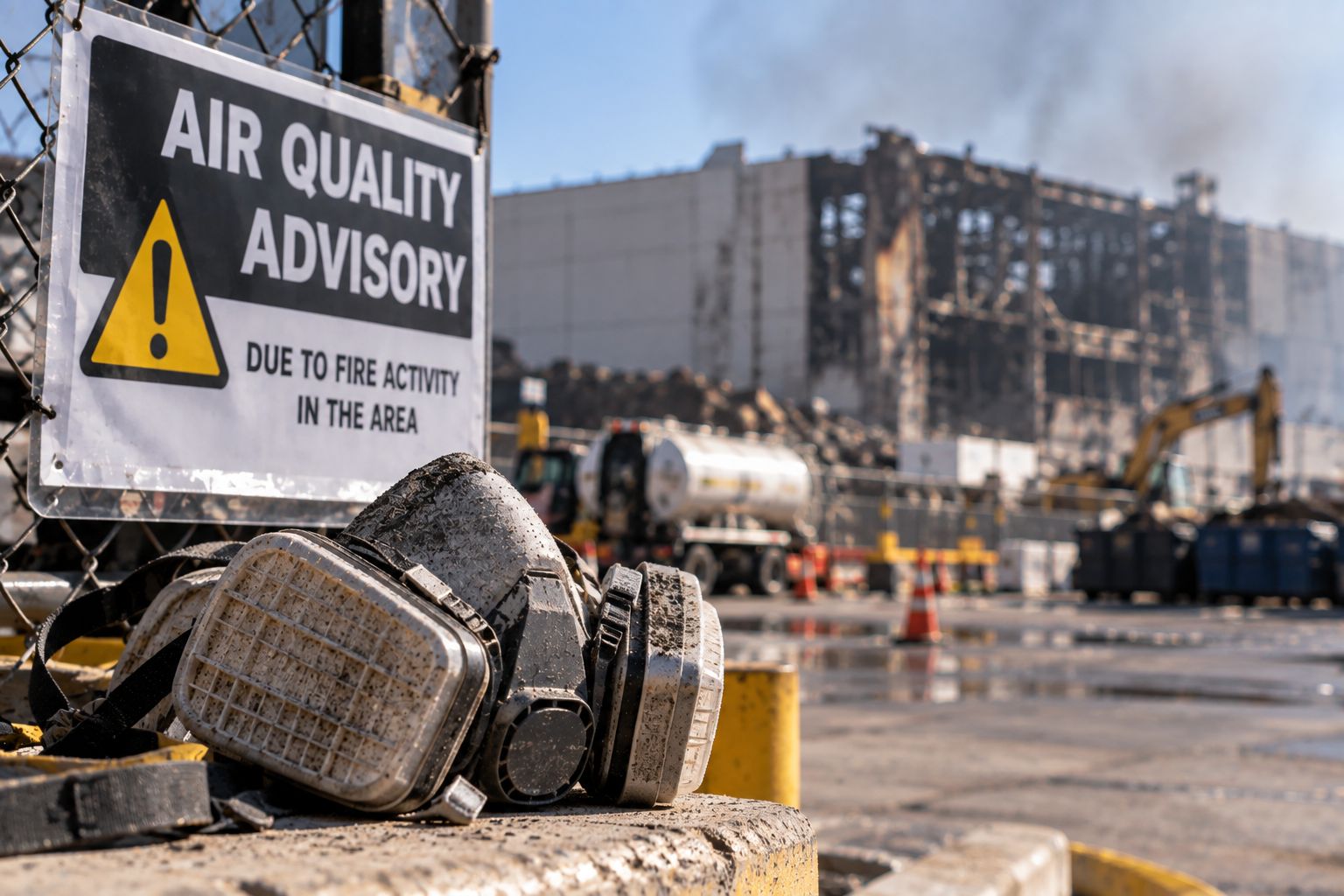
The findings add a new layer to the ongoing recovery effort surrounding the warehouse, which burned for eight days and prompted air-quality concerns, a shelter-in-place order and a prolonged cleanup operation.
The city has continued to maintain a dedicated Boyle Heights Recovery and Environmental Justice resource page, where residents can find information about health services, cleanup activities, environmental monitoring and the fire investigation.
AltaMed reports higher rates of several diagnoses
According to data released by AltaMed, patients treated in the affected area experienced increased rates across several categories during the three-month period following the fire.
Dr. David Escobar, AltaMed’s regional medical director, said patients were frequently presenting with headaches, throat irritation, eye irritation and traumatic stress.
The health organization has also operated mobile health services for residents affected by the fire. Those services have included respiratory assessments, oxygen-level checks, asthma and breathing evaluations, eye and skin irritation evaluations, mental-health support and referrals for additional care.
The city previously announced the deployment of mobile health clinics with AltaMed, St. John’s Community Health and Clínica Romero as part of its emergency response.
The reported increase in diagnoses does not, by itself, establish that the warehouse fire caused each individual medical condition. The data instead document changes in the rate at which patients sought care and were diagnosed during the period following the fire.
That distinction is particularly relevant as local, state and federal agencies continue to assess environmental conditions around the warehouse and the materials involved in the prolonged blaze.
Monterey Park resident describes ongoing symptoms
Among residents reporting health problems is 27-year-old Monterey Park resident Miquitzli Herrera, who lives several miles from the Boyle Heights warehouse.
Herrera said she has experienced asthma flare-ups and frequent bloody noses since the fire. She also reported developing a painful rash that she described as unlike anything she had experienced previously.
She said the symptoms became particularly concerning when she began feeling uncomfortable in her own home and had difficulty breathing.
Her experience reflects one of the concerns raised by residents in communities surrounding the warehouse: uncertainty about what substances may have been released during the prolonged fire and what exposure, if any, could have contributed to health problems.
City officials have continued providing health resources while environmental and cleanup operations proceed. The Los Angeles Emergency Management Department says health resources available to residents include evaluations for eye and skin irritation, education about smoke exposure, mental-health support and connections to ongoing primary care.
LAFD investigation leaves cause undetermined
The health concerns come as the Los Angeles Fire Department has completed its investigation into the origin and cause of the June 17 fire.
According to the LAFD investigation information published by the city, investigators confirmed that the area of origin was on the warehouse roof, at or adjacent to a section of solar panels.
Investigators also determined that an electrical event occurred within the area of origin.
However, the department said it could not conclusively establish the specific cause of that electrical event. As a result, the fire remains officially classified as having an undetermined cause.
The city’s emergency-order page identifies the completed LAFD Los Palos Fire Investigation Report as having been released Sept. 22.
The finding is important because it separates the location and probable sequence of the fire from a definitive determination about what caused the electrical event.
Solar system companies dispute Lineage’s interpretation
Lineage Logistics has maintained that the investigation points toward the warehouse’s rooftop solar system.
In a statement responding to the report, the company said the report identified solar panels and connected components as the only ignition source that investigators could not rule out.
A company involved with the solar system, Los Palos Street Operating LLC, a subsidiary of Altus Power, disputed that characterization. The company said Lineage’s interpretation conflicted with the LAFD’s official finding that the cause was undetermined.
The competing statements do not change the department’s formal classification of the fire. LAFD’s investigation identifies the area of origin and an electrical event but does not establish a specific cause.
Lineage has also pursued legal action involving companies associated with the rooftop solar system, alleging that their work contributed to the fire. Those allegations remain part of a separate legal dispute and have not been established as findings of the LAFD investigation.
Fire’s aftermath continues beyond the flames
The June fire created a recovery operation that extended well beyond fire suppression.
According to Los Angeles city emergency orders, the warehouse contained an estimated 85 million pounds of frozen food products when the fire occurred. The loss of refrigeration led to widespread spoilage, creating additional cleanup, odor and pest-control problems in the surrounding area.
The fire burned for eight days inside an approximately 491,000-square-foot cold-storage structure, according to the city.
The city’s response included air-quality monitoring, health services, cleanup coordination and assistance for residents and businesses. Officials also reported that air-quality advisories following the fire affected communities beyond Boyle Heights, including portions of central Los Angeles County and the San Gabriel Valley.
By July, the city was reporting ongoing debris and food-waste removal operations as Lineage and contractors worked to clear the facility.
The city later took additional action concerning the warehouse’s future. In July, Mayor Karen Bass issued an emergency executive order directing city departments not to process rebuilding plans for the Lineage facility while the city reviewed potential health, safety and environmental impacts.
That July 31 executive order also called for a review of potential future uses of the site and requested consideration of environmental review requirements.
Mayor Bass calls for continued accountability
Mayor Karen Bass has repeatedly said the city will continue providing assistance to residents while seeking additional information about the fire and its aftermath.
In her statement following the LAFD report, Bass said her administration’s focus remained on Boyle Heights residents and called for transparency surrounding the investigation and recovery process.
The mayor has also previously directed city departments to strengthen environmental oversight and recovery efforts following the fire. Her June emergency orders established a coordinated recovery structure involving city agencies and outside partners.
The City of Los Angeles recovery program continues to provide information about cleanup, health resources and environmental issues associated with the site.
For residents, however, the release of the fire investigation has not resolved the broader questions surrounding health effects.
The LAFD investigation provides an official finding about the fire’s origin and classification, but it does not determine what individual residents were exposed to or whether particular medical conditions were caused by the fire.
Those questions remain part of the broader health and environmental recovery effort as residents continue seeking medical care and agencies monitor conditions around the former warehouse site.